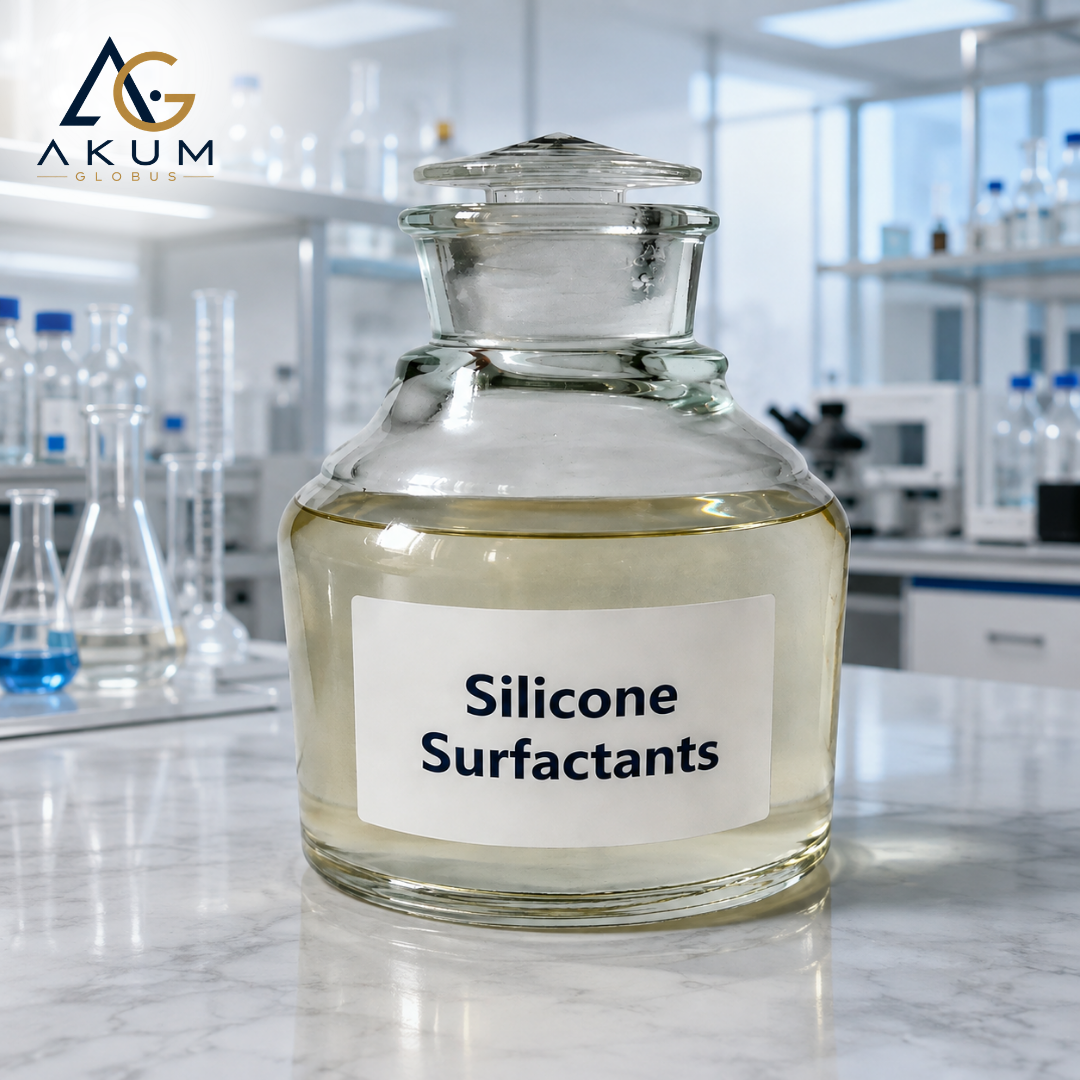
An insulated water tank keeps its contents at temperature only while the foam behind the shell stays closed, bonded and flat, so the polyol that builds that foam carries more responsibility than its share of the formulation suggests. Insulated Tank Polyol is a rigid polyether grade chosen for a controlled cream, an even fill and a cell structure that resists moisture pick-up across years of filling and draining. Tank manufacturers use it for factory-made shells and for site-applied jackets, and buyers comparing top rated Insulated Tank Polyol manufacturers usually begin with the bond between foam and wall.
Which polyol properties keep foam bonded to a water tank wall through repeated fill and drain cycles? Bond strength begins with viscosity and cream time, because a mix that reaches the wall while it is still fluid wets the surface properly and then gels before it can pull away. Hydroxyl value sets the crosslink density that gives the foam its compressive strength, while closed-cell content decides how little water vapour the core absorbs. A rigid polyol for water tank insulation is therefore approved on the figures that predict adhesion, not on density alone.
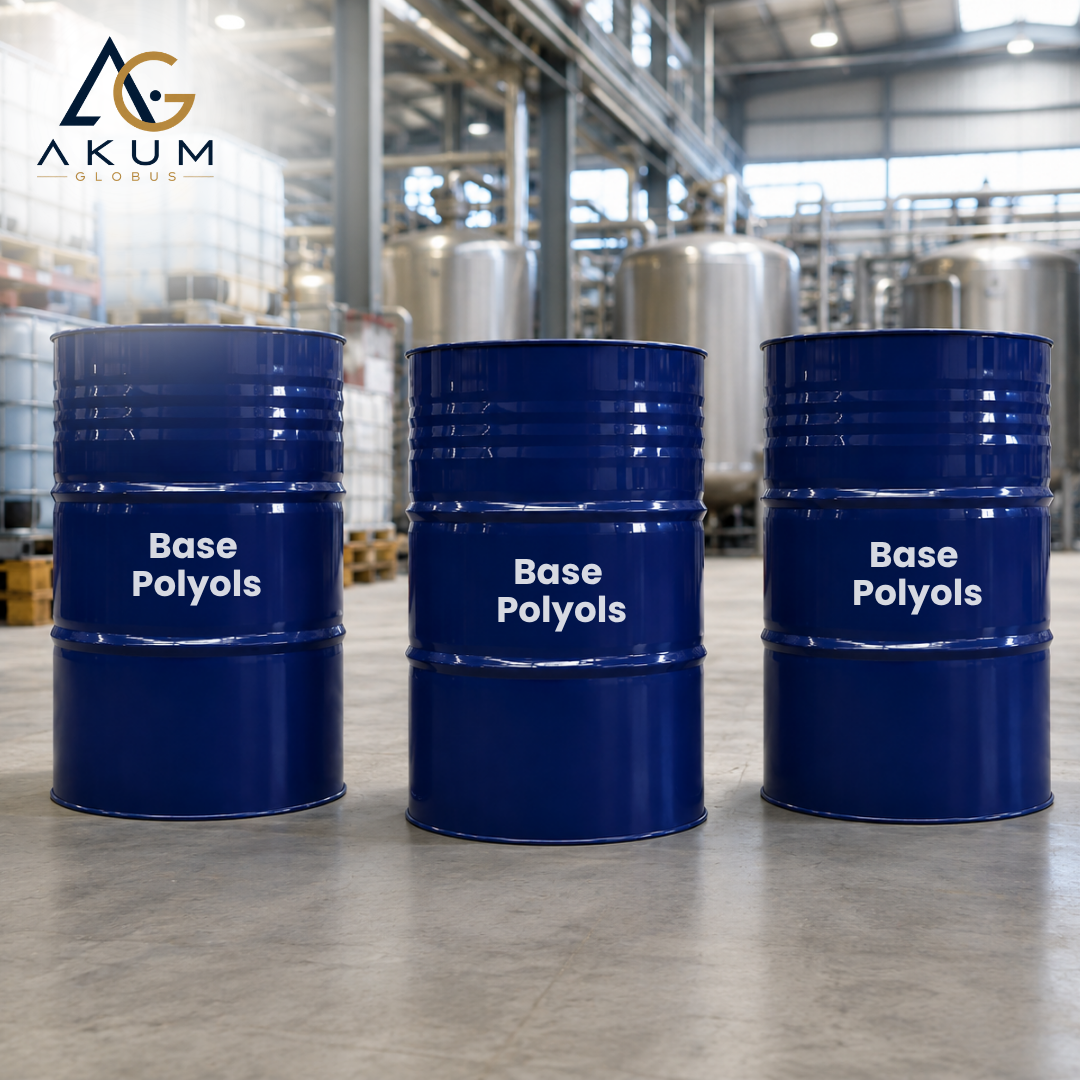
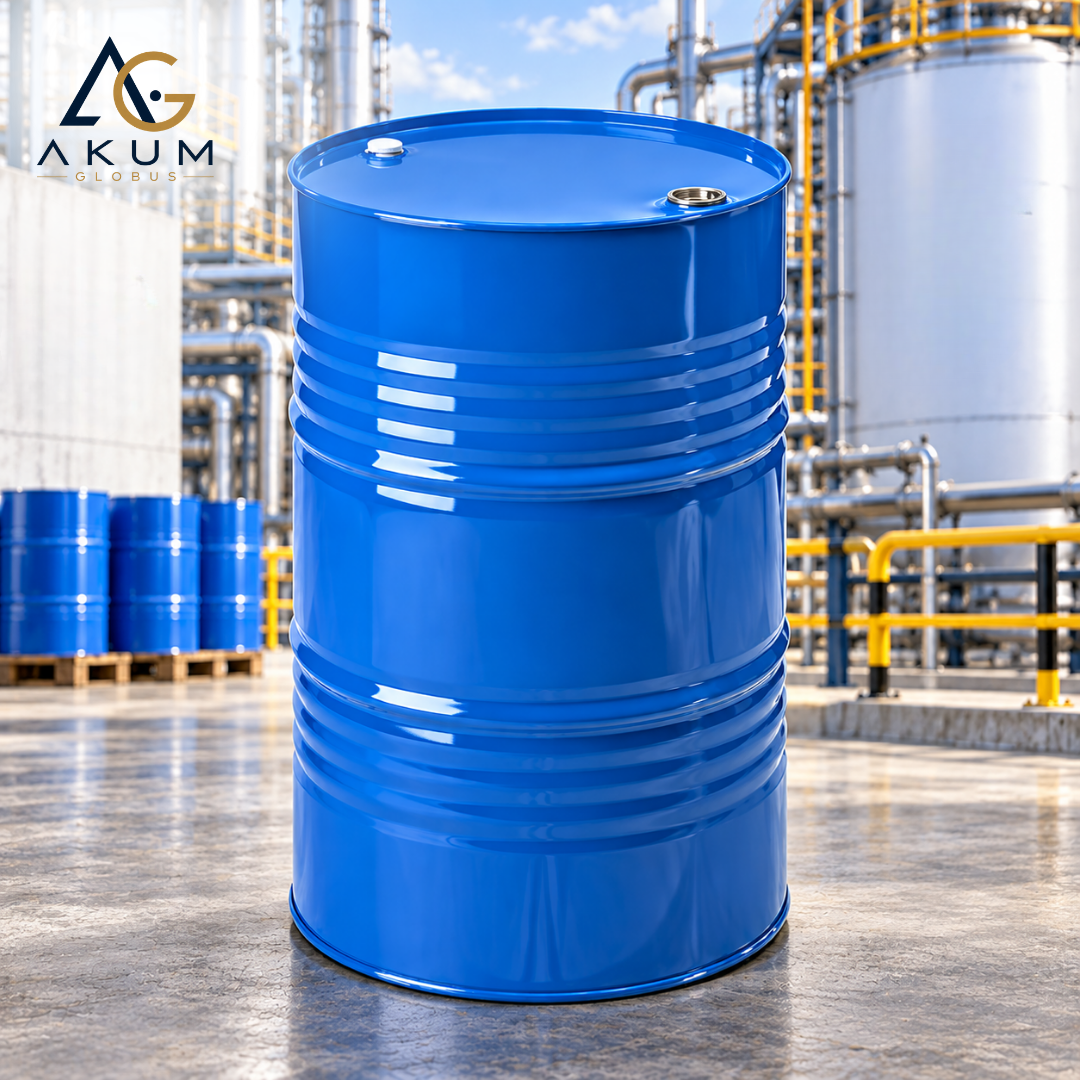
Can the polyol be supplied for both factory-made tanks and on-site tank insulation? One specification can serve both routes when the reactivity is adjusted for the way the foam is dispensed, since a rotating mould fills differently from a cavity poured in a workshop. The grade is packed in steel drums and IBC tanks so a fabricator can draw a small batch for a repair or a full unit for a production run. Polyol for insulated water tank production is quoted against the tank size, the wall thickness and the dispensing method, and the same batch record follows both routes.
Heat loss from a stored tank is slow, expensive and decided by cells that either stay closed or do not. A grade that holds its dimensional stability through hot afternoons and cold nights protects the shell from bulging and keeps the insulation attached at the seams. Plants that have reworked a failed tank once tend to stay with the best Insulated Tank Polyol suppliers they can audit, because the second trial costs more than the first approval did. The next sensible step is a sample drum against a measured wall section.
Every polyol programme begins with a specification that has to survive the distance between the plant and the buyer. For buyers of Polyol for insulated water tanks In Punjab, that means fixing hydroxyl value, viscosity, moisture and reactivity before the first drum is filled, then repeating the same release checks on every batch. Buyers comparing top rated manufacturers of Polyol for insulated water tanks In Punjab can review the COA, the technical data sheet and a retained sample together. In Punjab, the grade they approve is the grade that reaches their store.
Scale-up is where a laboratory approval either holds or fails. Production for Polyol for insulated water tanks In Punjab runs in repeat windows that keep reactivity, foam rise and panel performance within the same band, which lets a buyer move from a trial drum to a full pallet without reopening the formulation. Anyone shortlisting best manufacturers of Polyol for insulated water tanks In Punjab should compare the second consignment with the first, inspect the batch record and confirm that the packing standard has not changed between releases. In Punjab, that consistency is what makes repeat supply predictable.
Supply reliability is tested when a line is already running and the next drum is due. A supply plan for Polyol for insulated water tanks In Punjab keeps the main grade, its packaging and its matching variants visible on one schedule, so a buyer can release a complete requirement instead of chasing parts of it. In Punjab, that planning is the practical difference behind best suppliers of Polyol for insulated water tanks In Punjab: the stock position, the dispatch date and the paperwork are confirmed together before the order is placed.
Requirements rarely stay fixed while an order is open. Quantities are revised, packing is changed and delivery dates move, and each revision has to be captured so the next release matches the last. A supply desk for Polyol for insulated water tanks In Punjab that records those changes gives buyers a single update covering stock, dispatch and documents. In Punjab, that single update is why the support of top rated suppliers of Polyol for insulated water tanks In Punjab is judged after delivery as much as at the quotation stage.
What decides whether a tank foam still grips its shell after five years of service? The grade, the dispensing method and the batch record all play a part, which is why top rated Insulated Tank Polyol manufacturers and the best Insulated Tank Polyol suppliers are judged on foam they have already delivered rather than on a data sheet alone. Buyers shortlist manufacturers and suppliers who can repeat the same reactivity on the next drum.
Hydroxyl Value Sets Strength Duty : A higher hydroxyl value builds the crosslink density that carries compressive load, so a tank wall does not deflect when the shell is filled; the figure is fixed against the wall thickness, and a rigid foam compressive strength target is agreed before the first production batch is released.
Viscosity Controls Cavity Fill : A mix that is too thick bridges at the injection point and leaves a void behind the baffle, while a thin mix drains away from the crown; viscosity is therefore matched to the pour path, and even foam distribution inside the tank wall is checked on a cut sample.
Cream Time Suits the Mould : Cream time gives the mix room to travel the full circumference before the rise begins, which matters on a tall shell where the far side is reached last; the setting is confirmed on the actual dispenser, and a controlled cream and gel profile keeps the fill repeatable.
Closed Cells Hold the Heat : Closed-cell content governs thermal conductivity and moisture pick-up, and a core that loses cells in cold weather gives back the insulation the tank was sold on; each batch is checked against a closed cell content specification before dispatch.
Flat Cores Stay in Place : Dimensional stability keeps the core flat through summer and winter cycles, so the foam does not shrink away from the shell and leave a path for condensation; finished units are inspected after cooling, and a dimensional stability check after demould forms part of the release.
Those five controls explain why top rated Insulated Tank Polyol manufacturers and best Insulated Tank Polyol suppliers are asked for a batch history rather than a single price. Manufacturers and suppliers who repeat the same figures across consecutive lots are the ones worth a long-run agreement.
Tanks leave a factory in several forms, and the foam behind each shell is dispensed rather than poured by hand. A rotary mould, a static cavity and a site-applied jacket ask different things of the same chemistry, which is why best Insulated Tank Polyol suppliers match the grade to the dispensing route first. Five production patterns account for most of the demand.
Rotary Moulded Tank Shells : On a rotating mould the mix has to wet the whole circumference before it gels, so cream time and viscosity are set for the slowest point of the turn, and rotary moulded tank insulation is checked for balance and thickness after demould.
Static Cavity Pouring : A static shell gives the foam one chance to fill a closed space, so the shot weight and the vent position are agreed in advance, and void free cavity filling is confirmed on a sectioned trial unit.
Site Applied Tank Jackets : Where insulation is applied after the tank is installed, the grade is adjusted for ambient temperature and for the longer pour path, and on site foam application is supported with a dosing recommendation.
Panel Cores for Storage Tanks : Rectangular tanks often borrow a laminated panel core, so the same rigid chemistry runs on a press line as well as in a mould, and laminated panel core production keeps the density consistent between both routes.
Repair and Retrofit Work : A leaking or squashed section is cut out and refilled, which needs a small batch with the original reactivity, and matching foam for tank repair is supplied in a drum so the repair agrees with the surrounding core.
Each of those routes ends in the same test, which is a wall section that is flat, closed and still attached to the shell. A grade approved for the mould, the cavity and the repair keeps the tank range on one specification, and best Insulated Tank Polyol suppliers are chosen for that continuity.
Why do some tank foams grip the shell after a decade while others lift at the first cold snap? Preparation explains part of it, but the grade explains the rest, and the top rated Insulated Tank Polyol manufacturers are the ones who publish the figures that predict adhesion. Buyers who compare the best Insulated Tank Polyol suppliers on batch records, packing and dispatch find that manufacturers and suppliers differ more in discipline than in price.
Specification Agreed in Writing : Hydroxyl value, viscosity, cream time and closed-cell content are written into the approval rather than left to a general description, so a batch specific polyol specification travels with every dispatch.
Documentation With Every Drum : A certificate of analysis and a safety sheet are issued against the batch number on the drum, which lets a quality team release the delivery without a fresh round of testing, and traceable batch documentation is kept on file.
Packing That Suits the Plant : Steel drums and IBC tanks are offered against the same grade, so a small fabricator and a high-volume line can order the volume they can actually store, and drum and IBC supply carries no change in chemistry.
Support at the Dispensing Head : When a machine is swapped or a mould is reworked, the reactivity is reviewed against the new pour path, and dispensing support during changeover keeps the first shot from becoming a scrap unit.
Repeatable Batches Over Time : Each production run is compared with the approved figures, because a small drift in viscosity shows up as a void long before it appears on a test sheet, and batch to batch consistency is treated as a deliverable.
Consistency is the whole argument. A plant that approves top rated Insulated Tank Polyol manufacturers and best Insulated Tank Polyol suppliers once should not have to re-qualify the grade every quarter, and manufacturers and suppliers who understand that keep the specification, the packing and the dispatch schedule aligned.
Send the tank type, the wall thickness, the dispensing method and the monthly volume to [email protected], and a specification recommendation follows with the packing options. Akum Globus Pvt. Ltd. confirms the grade, the packing and the dispatch schedule in writing before the first order is released, so the approval and the delivery describe the same material.
Explore our range of polyurethane chemicals and specialty solutions developed to support efficient processing, formulation flexibility, consistent quality, and reliable industrial performance.
Copyright © 2026 Akum Globus Pvt. Ltd.. All Rights Reserved. Designed By HD Smart Media