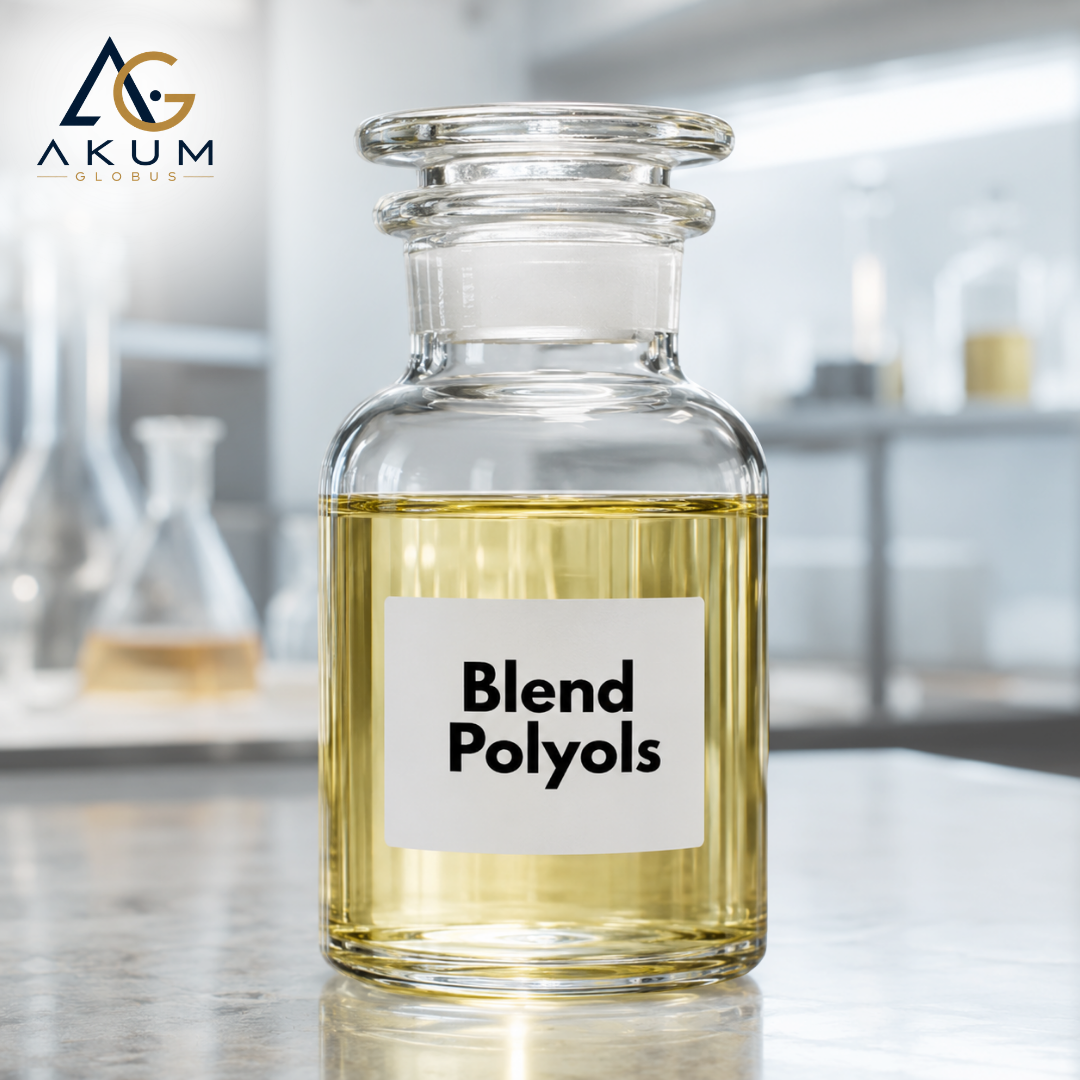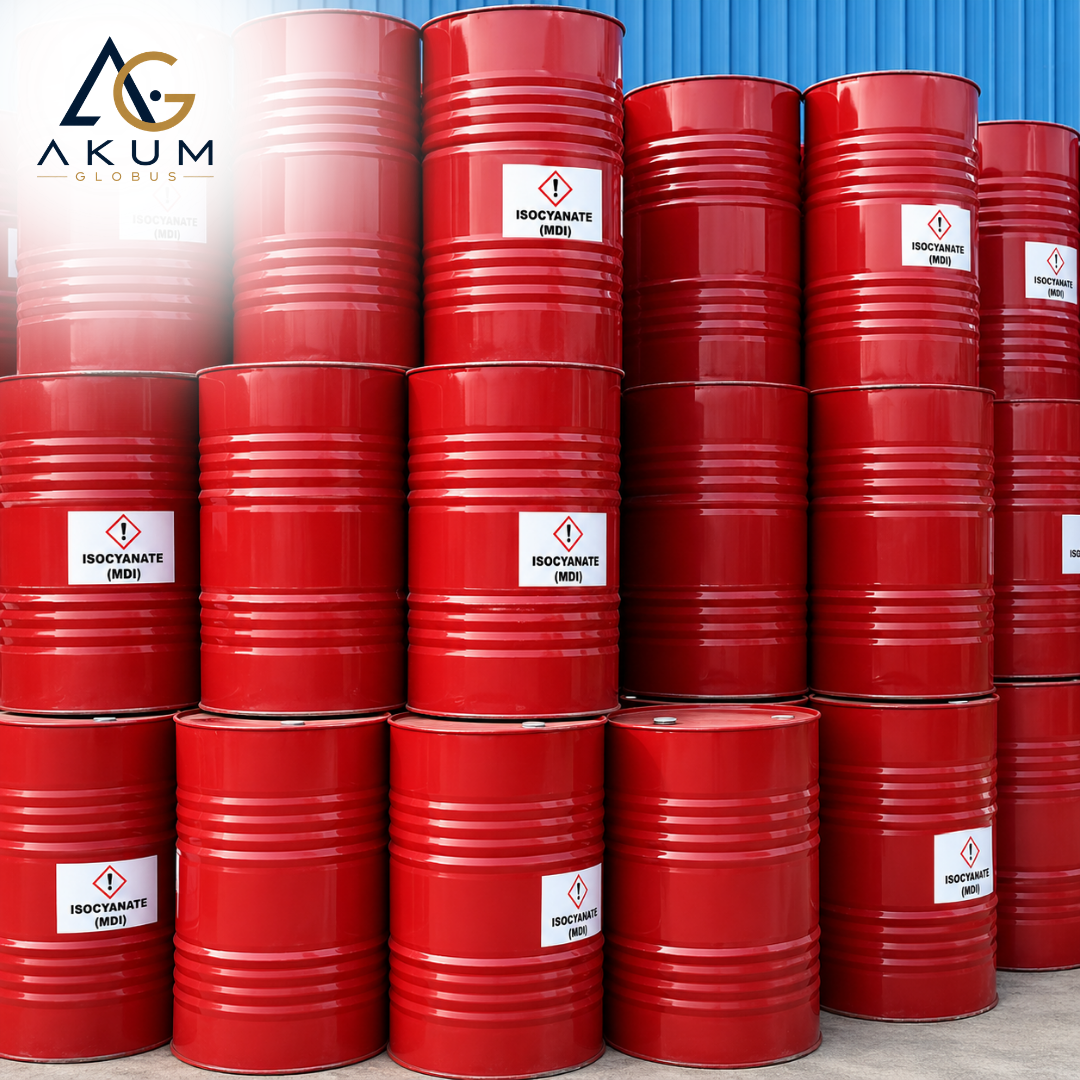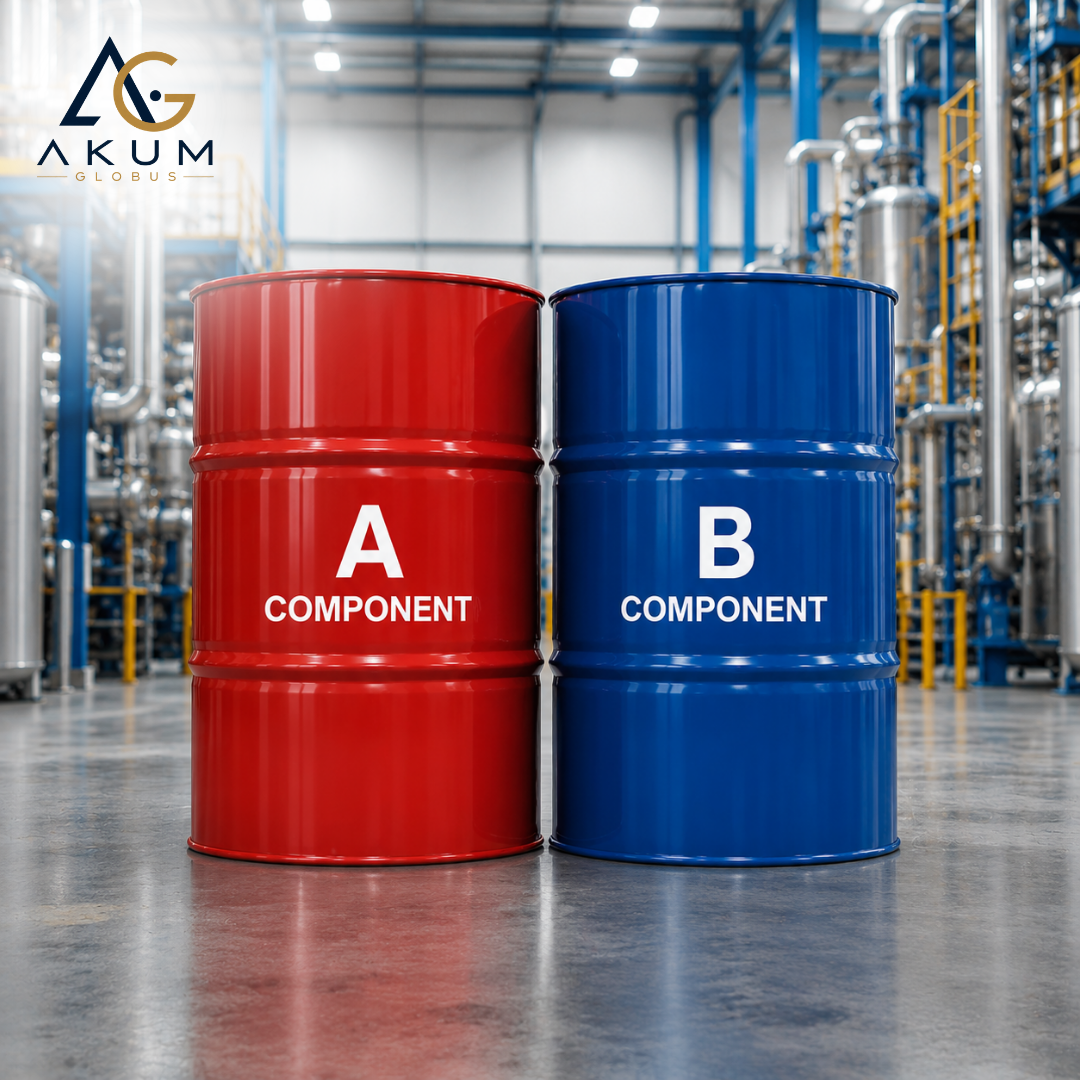
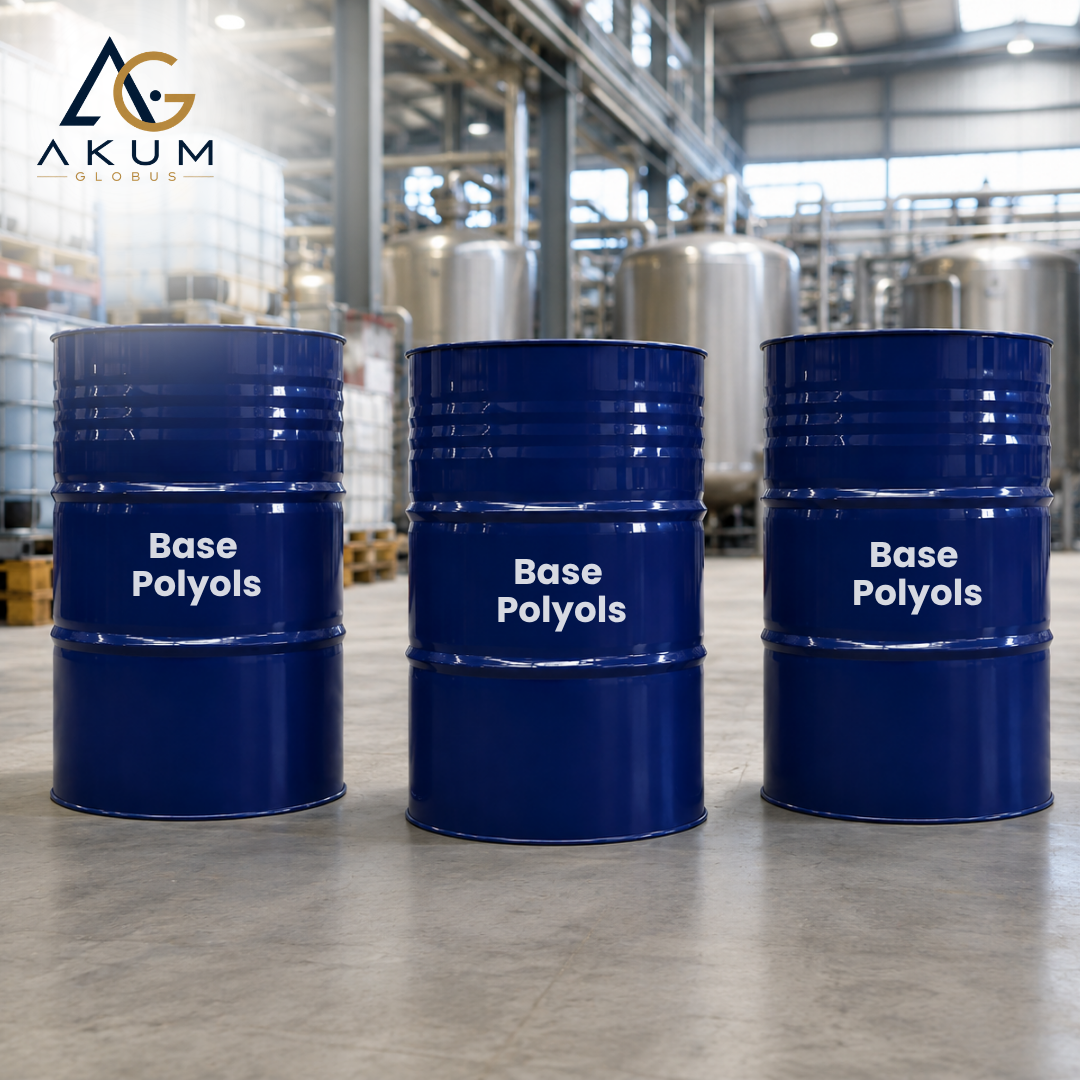
Base Polyols give a formulator the neutral starting point from which a foam grade, an adhesive or an elastomer recipe is built. Hydroxyl value, molecular weight, functionality and viscosity are the four figures that decide how the rest of the formulation behaves, and a base resin is not a finished system. Akum Globus Pvt. Ltd. supplies base polyether polyol in drums and IBCs with the measured figures stated before dispatch. Blenders searching for top rated Base Polyols manufacturers soon learn that the certificate matters more than the label.
How does the hydroxyl value of a base polyol set the hardness and reactivity of the foam that is built on it? A higher hydroxyl value means more reactive sites per unit of weight, so the network forms faster and the foam sets harder. A lower value gives a softer, more flexible product and a longer cream time. The figure is read with functionality and molecular weight, because polyol hydroxyl value decides crosslink density only in company with the other two.
Can base polyol batches be blended to match an existing formulation without a fresh trial? Often they can, provided the incoming hydroxyl value, viscosity and acid value sit inside a narrow band and the blend is calculated from measured figures rather than from a nominal grade. A trial is still wise when a lot moves outside that band. Blenders who keep a retained sample make base polyol batch matching a calculation rather than a gamble.
A stable base polyol keeps the rest of the formulation predictable, which is why blenders return to the same grade once it has been approved. The resin is the largest single component in most recipes, so a small drift in hydroxyl value or moisture appears in hardness, tack and cure. Buyers who judge best Base Polyols suppliers over a year of deliveries, and not on one certificate, protect their own yield.
What would a blender do with a resin that arrives a hundred units away from the last lot? Recalculate, re-trial or reject, and none of those is cheap. A buyer weighing top rated Base Polyols manufacturers against the best Base Polyols suppliers should ask for hydroxyl value, viscosity, acid value and moisture before the drum is loaded, so the comparison happens on paper rather than in a kettle.
Hydroxyl Value Stated : The hydroxyl value is reported for every lot because it sets the starting reactivity of any formulation built on the resin, and a batch outside the agreed band is held back instead of shipped, which is the first thing a polyol specification check should confirm.
Molecular Weight Control : Molecular weight governs flexibility and elongation, so it is held inside a narrow range for grades used in foam, adhesives and elastomers, and the figure is recorded on the batch sheet so a molecular weight range can be compared batch to batch.
Functionality for Crosslinking : Functionality decides the crosslink density a formulator can build on, and it is matched to the application rather than to what happens to be in stock, because a higher figure is not automatically better for a crosslink density target.
Viscosity Ready for Transfer : Viscosity is checked so the resin pumps, meters and mixes the same way on every delivery, which matters most where several components are combined, and a stable polyol transfer viscosity keeps the blending stage on schedule.
Acid Value Storage Check : Acid value flags storage drift before the resin reaches a formulation and is read alongside moisture, so a lot that has taken up water is identified early rather than in a storage drift check after the kettle is charged.
A specification sheet and a batch certificate should say the same thing, and a supplier who quotes only a grade name asks the blender to carry the risk. Blenders comparing top rated Base Polyols manufacturers with the best Base Polyols suppliers look for that agreement, and Akum Globus Pvt. Ltd. treats measured figures as part of the delivery.
Base polyol sits under almost every polyurethane product, from a mattress core to a laminating adhesive, and one resin family can serve several of them when the figures are right. Formulators use it as the reference against which catalysts, isocyanates and fillers are balanced, and buyers who begin with top rated Base Polyols suppliers usually qualify the resin before anything else in the recipe.
Flexible Foam Blocks : A base polyol with the right hydroxyl value and molecular weight gives a slabstock block its hardness, elongation and recovery, and it leaves room for the catalyst package to work, which is the foundation of flexible foam formulation.
Rigid Panel Resins : Higher-functionality base resins build the crosslink density that rigid insulation needs, so the foam holds its shape and compressive strength inside a cavity even when the facing is thin, and rigid panel polyol selection starts from that figure.
Adhesive Formulation Work : A base polyol with controlled viscosity and acid value keeps an adhesive workable, wets the substrate evenly and cures without a tacky surface, and the batch figures are read against the previous lot before the adhesive kettle charge.
Cast Elastomer Prepolymer : For cast elastomers, molecular weight and functionality decide hardness, rebound and tear resistance, and a consistent base makes the prepolymer step repeatable, which is why a cast elastomer prepolymer is only as good as its resin.
Coating and Sealant Resins : Coatings and sealants use base polyol for flexibility and adhesion, and a low acid value protects the finished film from haze or premature gelation in storage, a point that coating resin stability depends on.
One base grade can travel from a foam line to an adhesive kettle, but only when the batch figures are known and the specification is written down. Blenders who qualify a single grade thoroughly tend to build several products on it, and top rated Base Polyols manufacturers make that qualification straightforward.
Is a base polyol purchase a commitment to a drum size or to a reactivity? It is the second, and the difference shows up three batches later. Buyers weigh top rated Base Polyols manufacturers against the best Base Polyols suppliers on measured figures, so Akum Globus Pvt. Ltd. quotes the hydroxyl value, the viscosity and the acid value before a price is discussed.
Measured Figures Upfront : Hydroxyl value, viscosity, acid value and moisture are reported for the lot, so a blender can compare the delivery with the approved reference before unloading, and measured batch figures replace the guesswork of a grade name.
Drums and IBCs : The same grade is packed in drums and IBCs, so a blender can move from a trial to a production volume without reopening the specification, and drum and IBC packing is agreed per order rather than fixed by a catalogue.
Retained Samples Held : A retained sample from the lot can be kept against the next delivery, which makes a drift visible early and gives both sides something concrete to compare, especially when a retained sample comparison explains a changed foam.
Blending Advice Available : The technical desk will discuss hydroxyl value targets and blend ratios before an order is placed, rather than leaving the calculation to a purchase clerk, and that blend ratio guidance often saves a trial batch.
Repeat Grades Kept Stable : Grades ordered month after month are kept to the same specification, because a formulation approved on one batch should not need rework on the next, and repeat grade stability is the whole point of a base resin.
Base polyol quality is judged over a year of deliveries rather than on a single certificate. A resin that holds its figures through summer and winter saves a blender more than a small difference in the rate per kilogram, and top rated Base Polyols manufacturers and the best Base Polyols suppliers sell exactly that stability.
Email the required hydroxyl value, the monthly blending volume and the delivery details to [email protected], with the application and the packing you prefer. The answer names the matching grade, the drum or IBC option and the trial quantity if the resin is new to the plant. Every measured figure, the packing and the loading date are confirmed in writing before the first load leaves.
Explore our range of polyurethane chemicals and specialty solutions developed to support efficient processing, formulation flexibility, consistent quality, and reliable industrial performance.
Copyright © 2026 Akum Globus Pvt. Ltd.. All Rights Reserved. Designed By HD Smart Media