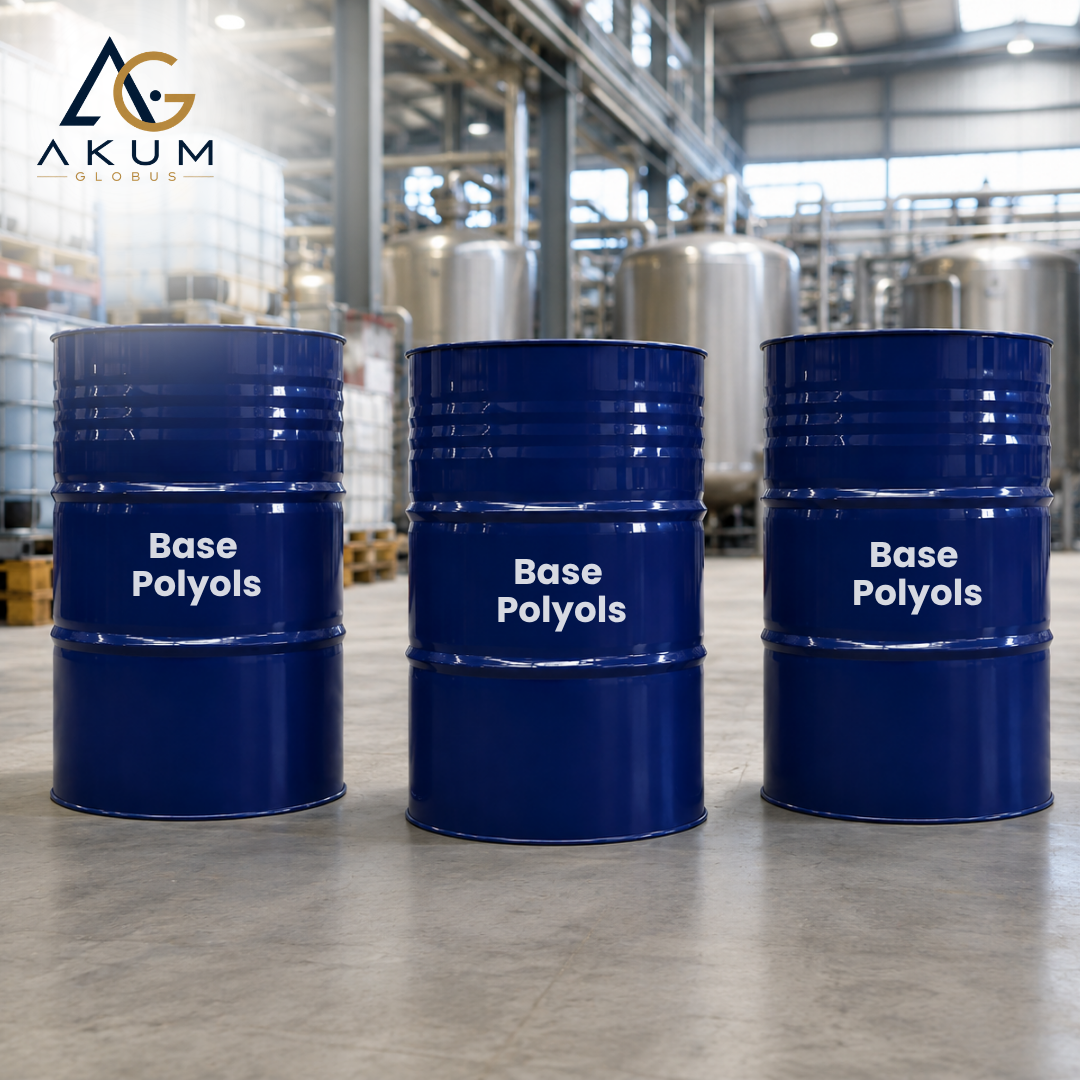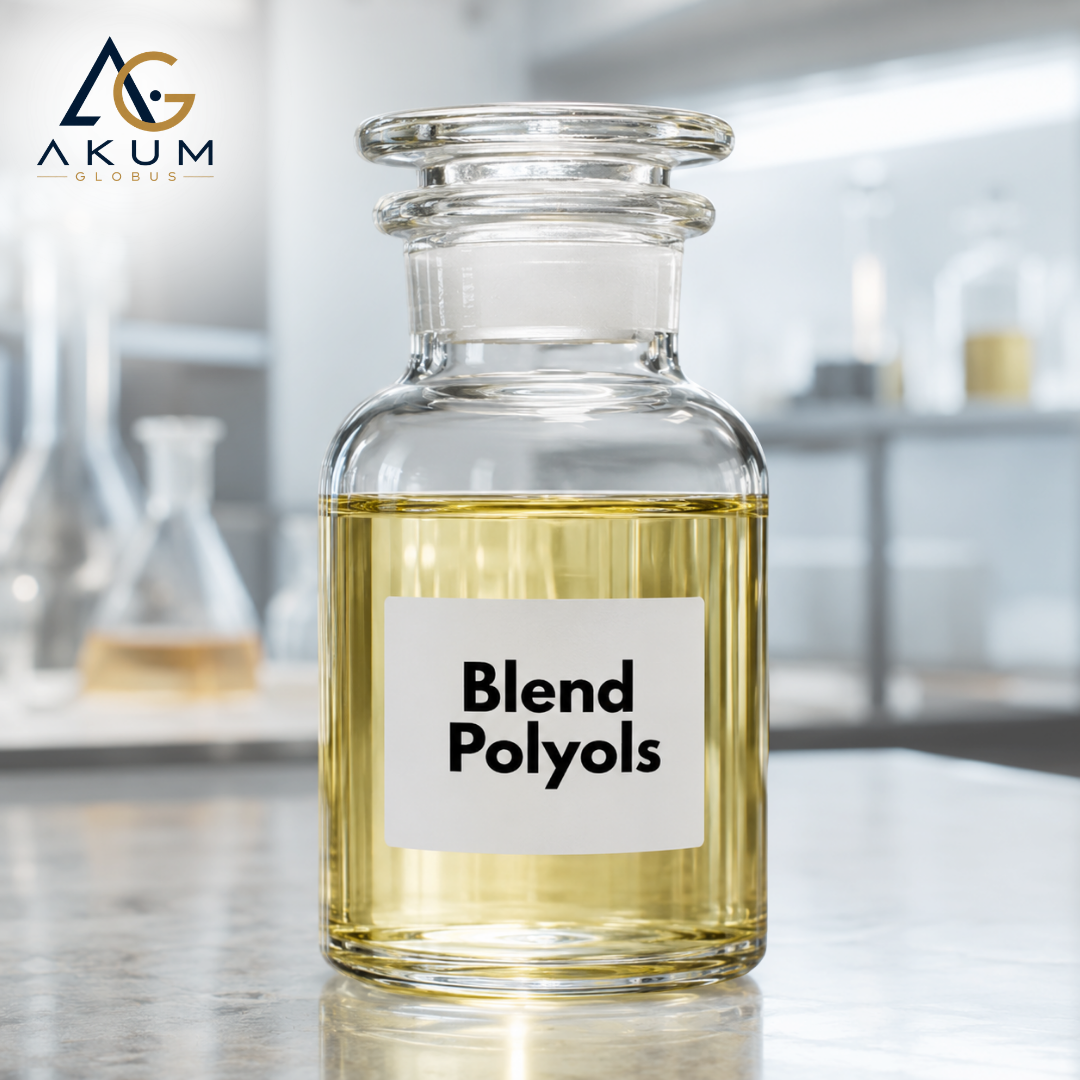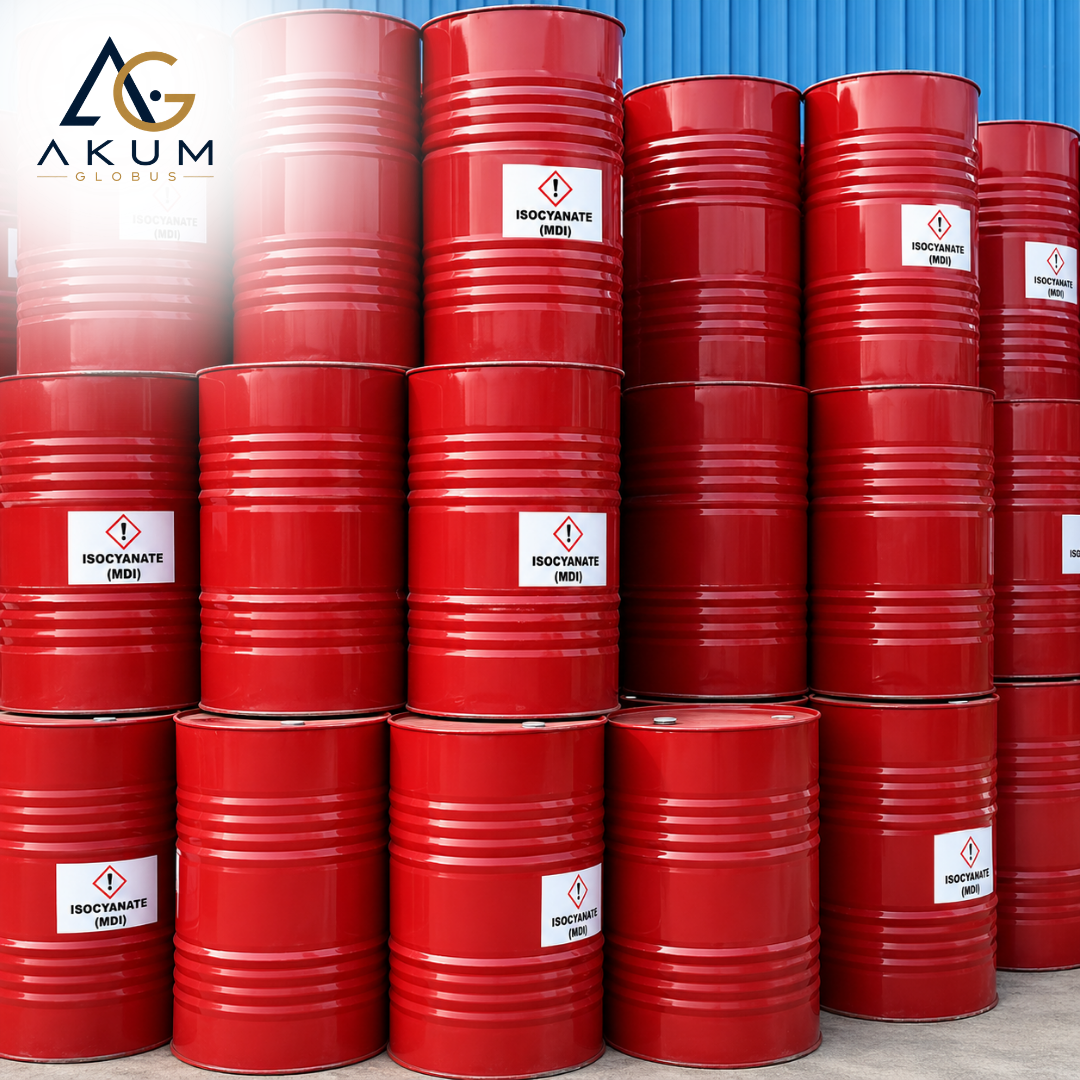

A rigid polyol is the reactive base that decides how an insulation panel fills, bonds and holds its shape once the foam has cured. Panels, cold-room sections and duct work all begin with the same question about reactivity, and the answer sits in the hydroxyl value and the viscosity of the batch. Foam plants and panel laminators order the grade against a written specification, then judge it by the flatness of the core and the closed cells at the cut edge. Buyers comparing top rated rigid polyol manufacturers are really comparing how little the next drum will move the line.
Which rigid polyol data sheet figures tell a laminator whether a cavity will fill before the foam gels? The three that matter most are hydroxyl value, viscosity and cream time, because they work as a set rather than as separate numbers. A high hydroxyl value builds strength, a moderate viscosity lets the mix travel to the far edge of a long panel, and a cream time that is too short closes the cavity before the pour has spread. Every rigid polyol supply specification should therefore state all three, together with the closed-cell target the grade is expected to reach.
Can one grade serve both a continuous lamination line and a discontinuous press? It can, provided the cream time and the catalyst package are adjusted for the two cycle patterns rather than copied across. A continuous line needs a mix that reaches the far end of a moving cavity, while a press gives the foam a fixed volume and a longer window. The rigid polyol batch documentation should record which version was approved for each line, so a shift change cannot mix them up.
A panel that comes out flat, closed and bonded is the only proof a rigid polyol needs, and the grade that repeats that result across a month of production is worth more than a cheaper drum that needs correction. Plants that run several lines and several panel thicknesses settle on best rigid polyol suppliers for exactly that reason, because a stable reaction removes a variable from every shift. The next step is to fix the hydroxyl value, the viscosity window and the packing size in writing before the first tanker is scheduled.
What does a panel plant gain from a supplier who can hold one specification across several lines? It gains a reaction it does not have to re-learn, and that is the practical difference between top rated rigid polyol manufacturers and a trader who only moves drums. The best rigid polyol suppliers document the batch, match the packing to the plant and keep the cream time inside the window the line was approved on.
Hydroxyl Value Sets Strength Work : The hydroxyl value fixes the crosslink density the foam can reach, so compressive strength is decided before the mix leaves the tank. A drifting value shows up as a soft core, which is why every incoming rigid polyol batch is checked against the approved figure.
Viscosity Controls Cavity Flow : A mix that is too thick stalls at the entry and leaves a void at the far end, while a thin mix drains away from the facings. Metering the polyol viscosity window at the pump keeps the flow even across a long panel.
Cream Time Protects Edges : Cream time decides how far the pour travels before the reaction begins, and a panel cavity is unforgiving once the foam starts to rise. Setting the cream and gel profile against the line speed prevents short fills at the panel ends.
Closed Cells Hold Heat Duty : Thermal conductivity depends on how many cells stay closed after the foam cools, and an open structure leaks heat as well as moisture. A grade with a stable closed-cell content in every batch keeps the declared insulation value inside its band.
Flat Cores Through Seasons : A core that swells in humid weather or shrinks in a cold store will pull away from its facing and show a visible line on the panel. Testing dimensional stability under heat before dispatch protects both the panel and its warranty.
Because the reaction is fixed in writing, a panel plant can add a thickness or a facing without reopening the whole formulation. That discipline is what separates top rated rigid polyol manufacturers from the rest, and it is why the best rigid polyol suppliers are asked to stay on a line for years.
Insulation work takes a rigid polyol into cavities of very different shapes, from a continuous sandwich panel to a moulded tank wall. Each application asks the same grade to flow, bond and set within a cycle the plant already runs, which is why the best rigid polyol for panel cores is chosen against the process rather than the data sheet alone.
PUF Wall and Roof Panels : Continuous lamination needs a mix that wets both facings and gels before the panel leaves the press, so the panel core formulation is matched to the line speed and the facing metal.
Cold Room Ceilings Work : A ceiling panel carries its own weight and holds a low temperature on one side, so the foam must stay closed and bonded through repeated freeze and thaw without losing its thermal value.
Sandwich Panel Cores Use : Thin cores leave little room for error, and a void at the edge is visible on the finished face. A grade with a controlled cream time fills the section evenly before the press closes.
Insulated Water Tanks Work : A tank wall is poured in a curved cavity and then filled and drained for years, so the foam has to grip the shell and resist dimensional movement under load without cracking.
HVAC Duct Sections Work : Duct insulation combines a thermal target with a fire performance requirement, and the polyol has to carry the flame retardant package without upsetting the cell structure of the foam or its bond to the facing.
Taken together, these duties explain why the grade is qualified on a finished panel rather than on a certificate, and why top rated rigid polyol manufacturers test against the actual cavity. A plant that matches the polyol to its process spends less time correcting density and more time shipping.
Why do two plants using the same panel thickness so often end up with different foam? The difference usually sits in the polyol batch and in the way it was documented, not in the machine. Top rated rigid polyol manufacturers and the best rigid polyol suppliers treat the specification as a promise that survives every dispatch, which is the only way a laminator can plan a week of production.
One Specification, Several Lines : A plant that runs panels, blocks and moulded sections can hold a single approved grade and change only the catalyst balance, which keeps batch approval records simple to audit across every product.
Packing Matched to Storage Duty : Steel drums and IBC tanks are offered against the same specification, so a plant with limited floor space can order the packing size that fits its weekly consumption without renting extra capacity.
Documents Before the Drum : The certificate of analysis, the batch number and the packing list travel with the dispatch, which means a traceable documentation set is ready before the drum reaches the pump and before the shift begins.
Stock Held Against Repeat Grades : The grades a plant uses every week are kept available, so a sudden order does not wait for a fresh production run and a repeat supply schedule stays intact through a busy month.
Technical Support on Line : When a panel shows a void or a soft patch, the reaction is reviewed with the plant team and the cause is isolated, a service that experienced polyol technical support provides rather than a price list.
A polyol is a small part of a panel by weight and a large part of its performance, so the choice deserves more than a rate per kilogram. Plants that compare top rated rigid polyol manufacturers against the best rigid polyol suppliers on documentation and repeatability usually pay less over a year.
Send the grade, the volume and the delivery details to [email protected] and an offer follows with the packing options and the dispatch window. Confirm the hydroxyl value, the viscosity range and the cream time the line runs on, so the quotation matches the process rather than a general description. Akum Globus Pvt. Ltd. then sends the specification sheet, the packing list and the dispatch dates as one set.
Explore our range of polyurethane chemicals and specialty solutions developed to support efficient processing, formulation flexibility, consistent quality, and reliable industrial performance.
Copyright © 2026 Akum Globus Pvt. Ltd.. All Rights Reserved. Designed By HD Smart Media