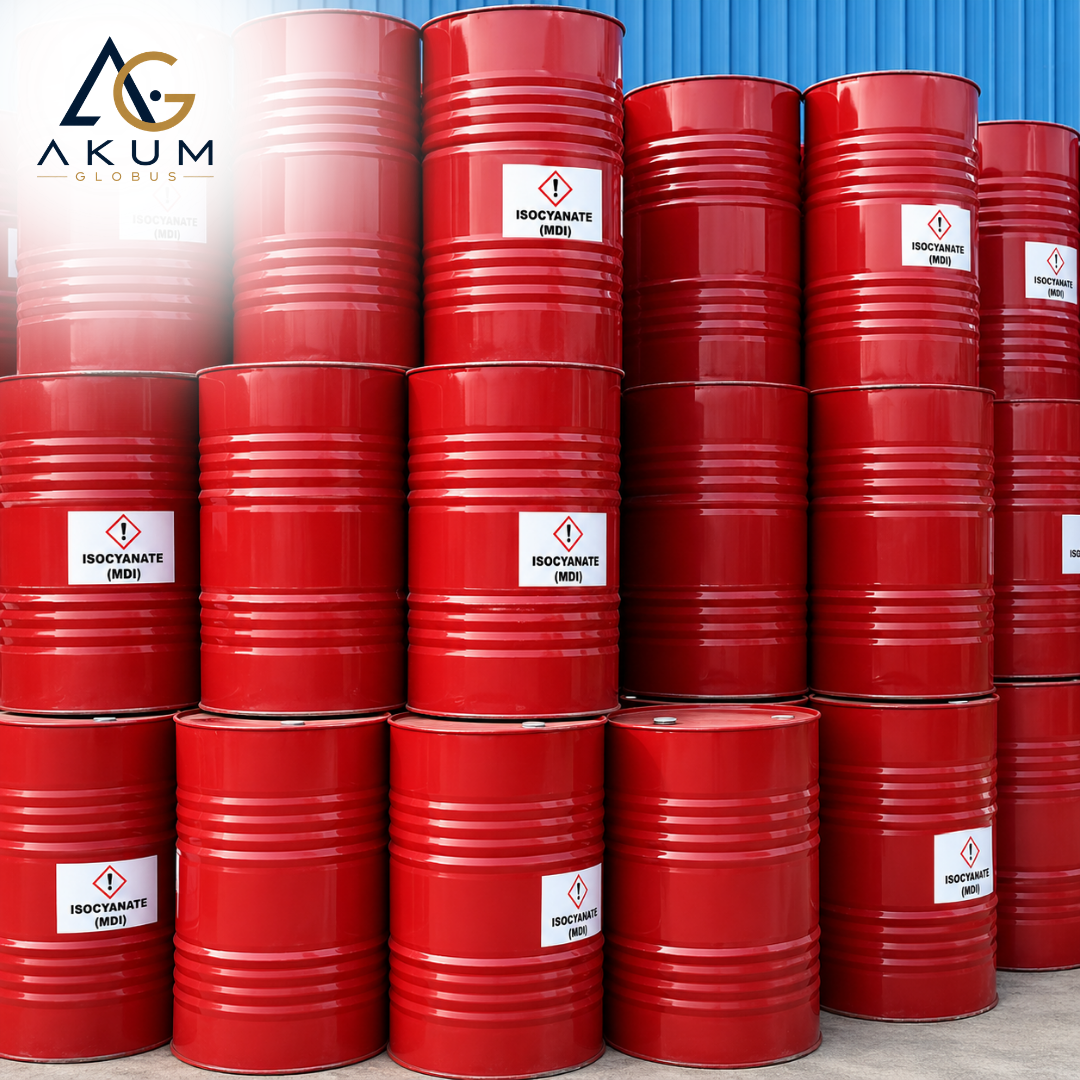
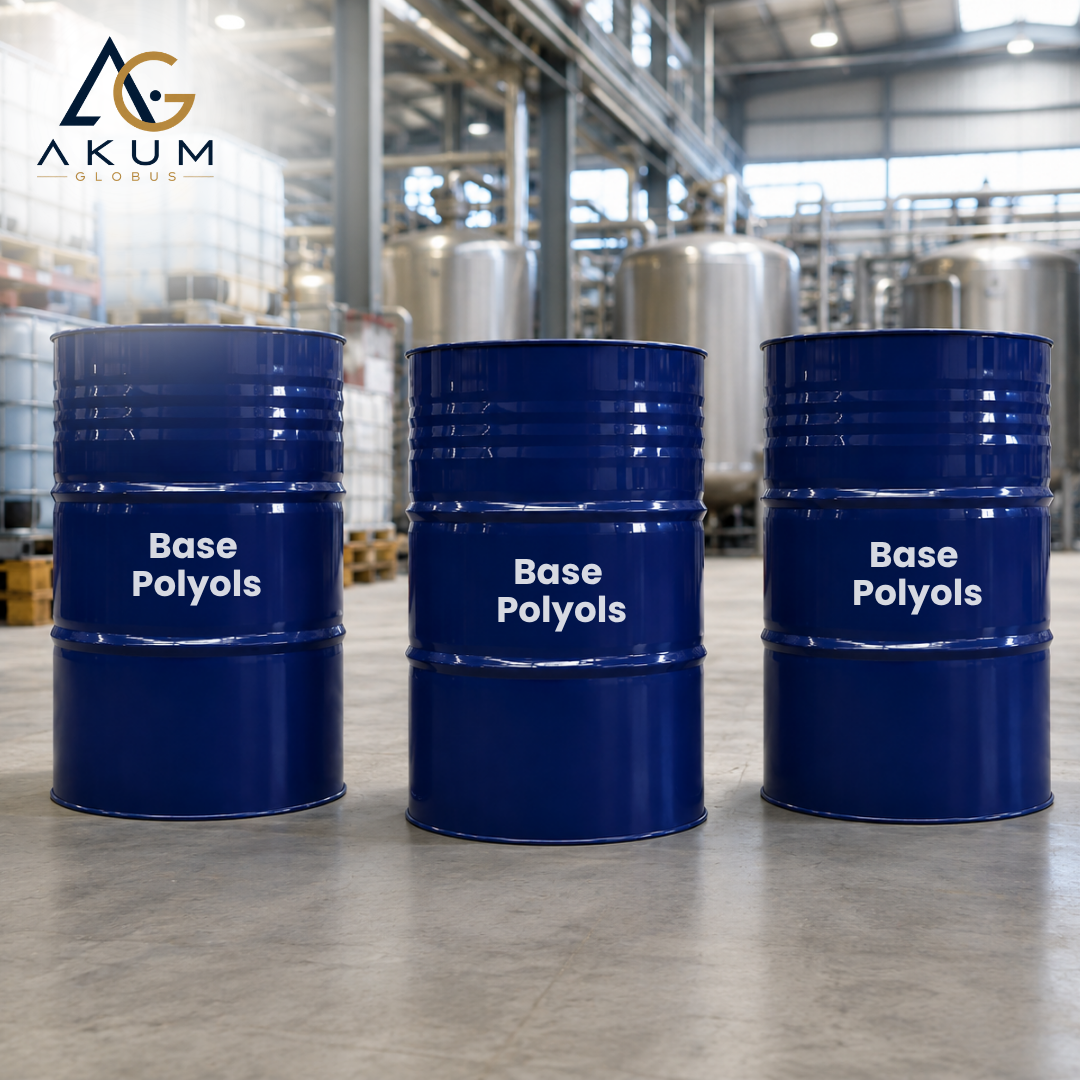
3000 MW Polyether Polyol is the flexible grade that slabstock plants keep at the centre of a formulation, because a chain of roughly three thousand builds a firm cell wall without taking the stretch out of the block at the cutting table. It carries load in mattress cores, seating slabs, packaging shapes and carpet backing, and it meters cleanly through the pumps most plants already run. Buyers comparing top rated 3000 MW Polyether Polyol manufacturers tend to begin with the same practical question, which is how much hardness the recipe genuinely needs, and a grade that holds its hydroxyl value answers it the same way on every delivery.
What does a 3000 molecular weight polyether polyol change in a slabstock foam recipe compared with a higher molecular weight grade? The shorter chain packs more urethane linkages into the same mass, so the foam feels firmer at a given index and springs back after loading instead of creeping. A heavier grade buys elongation and a softer hand, which means the 3000 material usually needs less hardness additive but closer attention to the tin and amine balance. Settle the target density and compression set first, then tune the catalyst around the 3000 molecular weight slabstock polyol rather than pushing it to behave like a heavier chain.
Can the 3000 molecular weight grade be supplied in the drum size and monthly volume a slabstock line consumes? Yes, and the usual route is to qualify a drum lot first, then move to tanker loads once consumption settles. Steel drums and bulk tankers carry the same specification, so the switch changes the handling routine rather than the chemistry. A monthly programme is built from the line calendar, the storage available and the number of shifts, and every drum and tanker delivery is confirmed in writing with packing, batch and dispatch details before the first load moves.
The practical case for the grade rests on continuity rather than on a single impressive figure. One reactivity band across several products lets a plant keep its existing catalyst package, hold block weight inside tolerance and spend engineering time on comfort and density instead of re-qualifying raw material. Buyers who shortlist the best 3000 MW Polyether Polyol suppliers are choosing fewer trials, fewer reblends and a shorter approval cycle for each delivery. That advantage compounds through the year, and it is the reason the grade stays on the approved list long after the first drum has been charged.
Every polyol programme begins with a specification that has to survive the distance between the plant and the buyer. For buyers of Polyether polyol 3000 molecular weight In India, that means fixing hydroxyl value, viscosity, moisture and reactivity before the first drum is filled, then repeating the same release checks on every batch. Buyers comparing top rated manufacturers of Polyether polyol 3000 molecular weight In India can review the COA, the technical data sheet and a retained sample together. In India, the grade they approve is the grade that reaches their store.
Scale-up is where a laboratory approval either holds or fails. Production for Polyether polyol 3000 molecular weight In India runs in repeat windows that keep reactivity, foam rise and panel performance within the same band, which lets a buyer move from a trial drum to a full pallet without reopening the formulation. Anyone shortlisting best manufacturers of Polyether polyol 3000 molecular weight In India should compare the second consignment with the first, inspect the batch record and confirm that the packing standard has not changed between releases. In India, that consistency is what makes repeat supply predictable.
Supply reliability is tested when a line is already running and the next drum is due. A supply plan for Polyether polyol 3000 molecular weight In India keeps the main grade, its packaging and its matching variants visible on one schedule, so a buyer can release a complete requirement instead of chasing parts of it. In India, that planning is the practical difference behind best suppliers of Polyether polyol 3000 molecular weight In India: the stock position, the dispatch date and the paperwork are confirmed together before the order is placed.
Requirements rarely stay fixed while an order is open. Quantities are revised, packing is changed and delivery dates move, and each revision has to be captured so the next release matches the last. A supply desk for Polyether polyol 3000 molecular weight In India that records those changes gives buyers a single update covering stock, dispatch and documents. In India, that single update is why the support of top rated suppliers of Polyether polyol 3000 molecular weight In India is judged after delivery as much as at the quotation stage.
Which figures should a plant settle before it accepts a polyol consignment? Hydroxyl value, molecular weight, functionality, viscosity and reactivity are read together, because no single number describes how a block will rise. Reading them as a set is what separates top rated 3000 MW Polyether Polyol manufacturers from the best 3000 MW Polyether Polyol suppliers, since a release sheet built on one figure says little about the foam that will follow.
Hydroxyl Value Held Tight : The hydroxyl value is released batch by batch because it decides how much isocyanate the recipe consumes and how firm the finished block becomes. A narrow band keeps the isocyanate index stable, so the operator does not chase hardness with catalyst changes halfway through a run.
Chain Length Consistent : The molecular weight window governs elongation, tear strength and the feel of the cushion. When a batch stays inside the approved band, the foam has enough stretch to demould and enough support to carry a seated load, which protects the load bearing curve signed off on a sample.
Functionality Checked Batchwise : Functionality sets how quickly the polymer network forms and how well the foam recovers after compression. It is reviewed beside the hydroxyl value, because a drift in either one shifts the compression recovery behaviour that the mattress or seating buyer approved on the first block.
Viscosity Suited to Pumps : Viscosity is measured at the storage temperature the plant actually works at, since a thick batch can starve the metering pump and leave the mix uneven. A steady figure keeps transfer and mixing output predictable from the first block of a shift to the last.
Reactivity Within the Band : Reactivity is confirmed so the cream and gel profile stays inside the line settings the operator already trusts. A slabstock run needs time to spread the mix and enough cure to strip the block, and a grade that holds its cream and gel timing protects both ends of that window.
Those five checks turn a delivery into a known quantity rather than a gamble. A plant that holds its top rated 3000 MW Polyether Polyol manufacturers to that release discipline, and keeps the best 3000 MW Polyether Polyol suppliers on a repeat programme, spends its shifts watching foam quality instead of correcting recipes.
The grade earns its place wherever a flexible block has to carry load and keep its shape. Slabstock plants run it in mattress cores, seating slabs, automotive cushions, packaging foam and carpet backing, often on the same line and the same metering equipment. Top rated 3000 MW Polyether Polyol manufacturers are judged on how little the grade moves between those jobs.
Mattress Core Production Duty : Mattress cores need a support curve that stays firm under a spread load without feeling hard at the shoulder. The 3000 grade gives the core its load-bearing backbone, and the foam can be softened through the usual formulation changes instead of a switch to an unfamiliar polyol grade.
Seating Slab Foaming : Seat slabs are cut and shaped after foaming, so the cell structure has to survive handling. Steady elongation and tear strength reduce edge loss during cutting and keep seat firmness close to the approved sample, which matters on a high volume seating line.
Automotive Cushion Slabs : Automotive cushions are judged on support and recovery after thousands of load cycles. The grade can be metered into a slab or a moulded part, and its reactivity is matched to the cycle so the foam fills the shape before gel without leaving a dense surface skin.
Transit Packaging Foam : Packaging foam needs predictable density and a cell structure that absorbs impact without crumbling. The grade runs at the lighter end of the flexible range, where consistent viscosity and reactivity keep block weight and cut profile inside the packing specification limits.
Carpet Backing Layers Duty : Carpet backing sits under repeated foot traffic, so recovery and tear resistance matter more than a soft hand. The grade gives the backing enough resilience to spring back after compression, and stable reactivity helps the laminating line hold a uniform backing thickness.
Each of those products asks for a different density and catalyst balance, yet all of them depend on a polyol that arrives with the same reactivity. A plant running several lines from one top rated 3000 MW Polyether Polyol grade spends less time cleaning between formulations and more time shipping finished blocks.
Does a slabstock line really need another raw material variable? It does not, and that is the case for buying the grade against a written specification rather than against a price list. Top rated 3000 MW Polyether Polyol manufacturers and the best 3000 MW Polyether Polyol suppliers are separated by what happens after the order: how packing is chosen, how batch figures travel with the drum and how quickly a reactivity question is answered when a block comes out short.
Specification Agreed Upfront : The intended foam, density and catalyst package are discussed before a packing size is fixed, so the grade that arrives matches the line that will run it. This avoids a trial by delivery, which remains the most expensive way to qualify a polyol grade.
Packing That Fits Storage : A new grade can start in steel drums and move to bulk tankers once consumption is steady. The same specification is held across both pack sizes, so the change affects handling and storage capacity planning rather than the chemistry or the batch records.
Batch Records for Traceability : Each delivery is linked to its batch figures, so a quality team can trace a foam block back to the drum that made it. That record earns its keep during a customer audit and again when a line has to explain a sudden shift in hardness.
One Reactivity Band Held : The priority is a reactivity band the operator can trust, not a single impressive laboratory figure. A grade that creams and gels inside the same window every time lets the plant keep its existing tin and amine balance instead of retuning the recipe.
Line Support on Call : Questions about viscosity, storage or a change in block height are answered by people who know slabstock equipment. The aim is to settle the issue at the drum or the meter, before a shift is lost to guesswork on the line.
Suppliers who stay close to the line learn where a grade matters and where it does not. For a foam plant, that means fewer surprises at the metering head and a polyol that behaves like part of the plant. Top rated 3000 MW Polyether Polyol manufacturers, and the best 3000 MW Polyether Polyol suppliers, keep that habit.
Send the foam type, the target density and the monthly volume to [email protected], along with the packing you prefer and the delivery window you need. Akum Globus Pvt. Ltd. confirms grade, packing and dispatch schedule in writing before an order is booked, and the specification sheet travels with the quotation. A trial drum and a tanker programme can be arranged from the same desk, with every technical figure matched to the line.
Explore our range of polyurethane chemicals and specialty solutions developed to support efficient processing, formulation flexibility, consistent quality, and reliable industrial performance.
Copyright © 2026 Akum Globus Pvt. Ltd.. All Rights Reserved. Designed By HD Smart Media