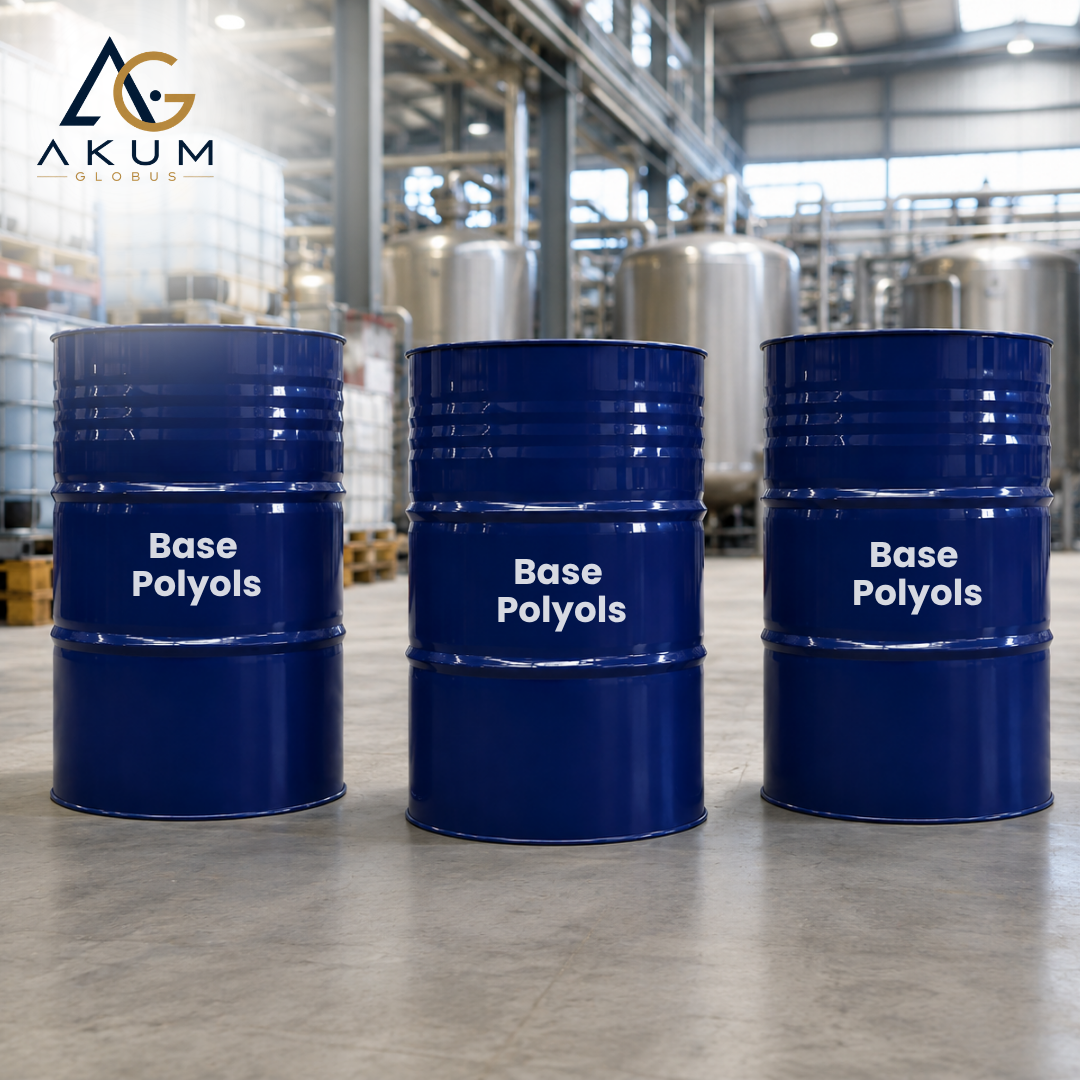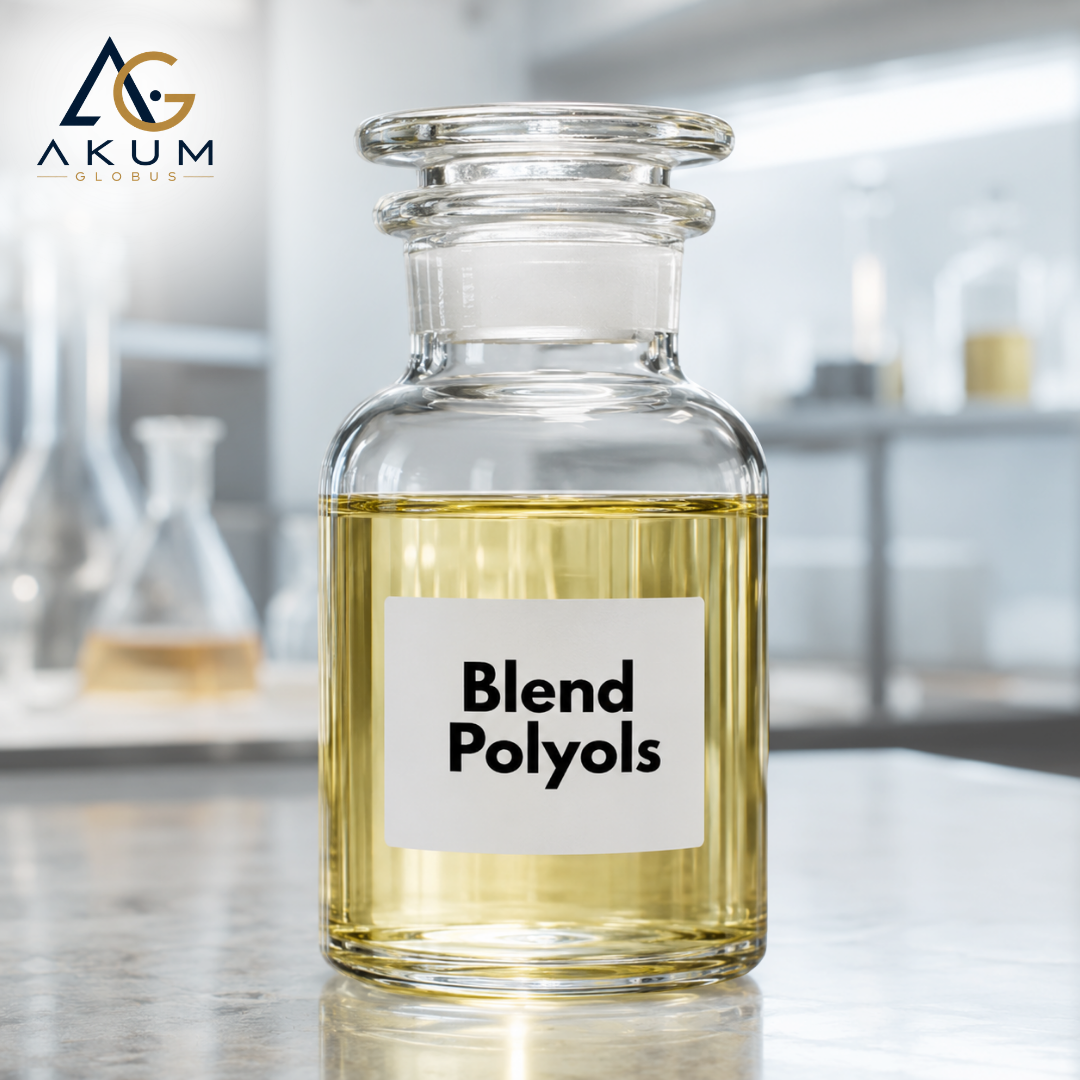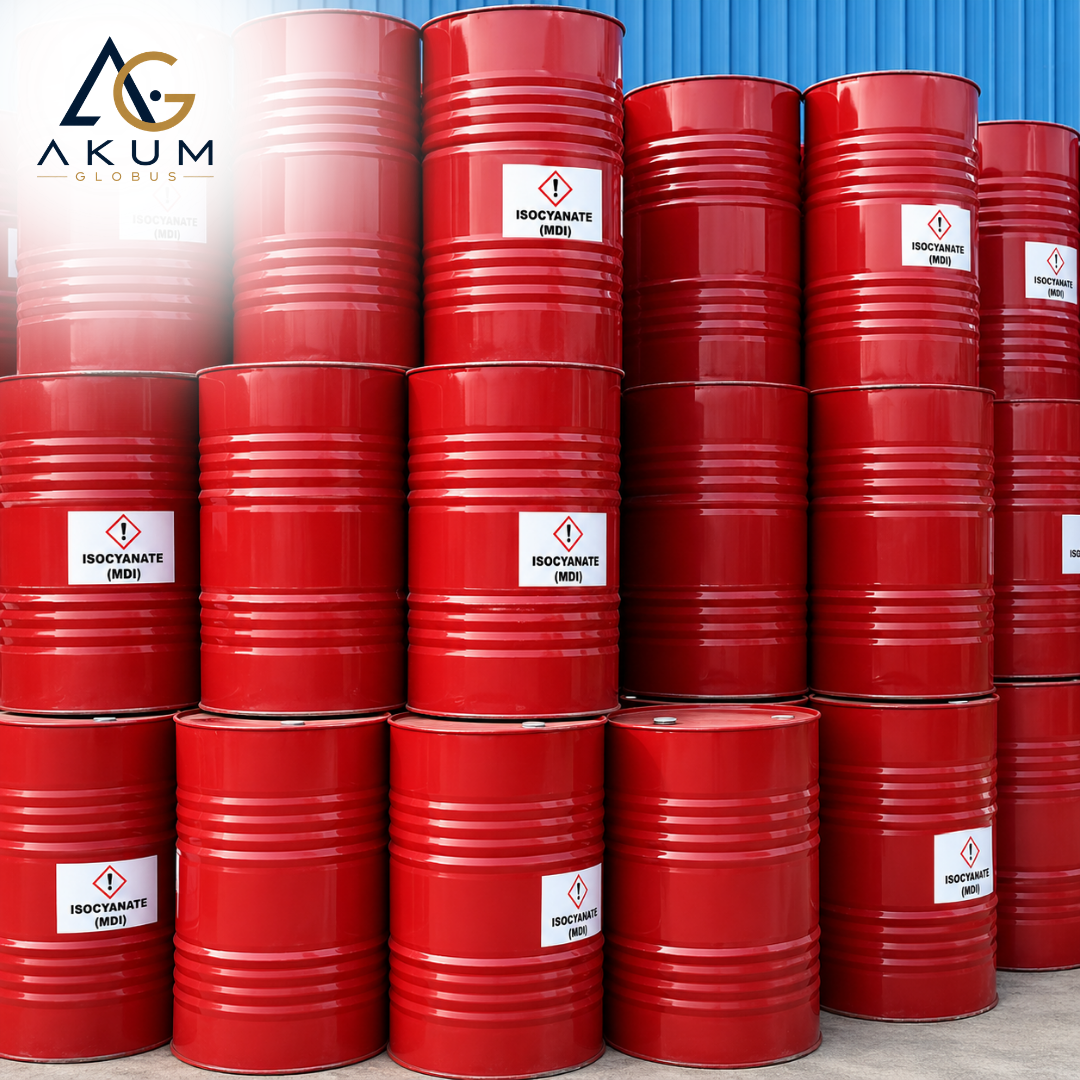

A PUF panel core is thin, wide and unforgiving, so the polyol has to fill the cavity, wet both facings and set fast enough for the lamination line to keep its speed. Viscosity governs how the mix travels, cream time decides whether it reaches the edges, and adhesion determines whether the finished panel stays a sandwich. Buyers who compare top rated PUF Panel Polyol manufacturers usually judge the grade on the panels that come off the press, not on the drum that arrives.
Which polyol properties decide whether a panel core fills evenly and bonds to its metal facings? Viscosity, cream time and reactivity carry most of the answer, because a mix that arrives late leaves a void and a mix that gels too slowly drains away from the skin. Hydroxyl value also sets how the core hardens once the reaction is under way. Panel producers who study PUF panel polyol flow behaviour before ordering usually avoid a thickness change that would otherwise need a re-trial.
Can the grade be adjusted for a different panel thickness or a faster line? Yes, within limits that are set by the machine and the blowing agent. A thinner panel usually needs a shorter cream time and a slightly lower viscosity, while a faster line needs the reaction to be trimmed rather than the formulation rebuilt. Suppliers who keep panel thickness specific polyol grades in stock make that adjustment a short conversation instead of a new project.
A PUF panel is a sandwich of foam and facing, and the polyol has to make the core strong enough to keep that sandwich flat through handling, transport and a roof. A grade that holds density and adhesion lets a plant keep one formulation across a thickness range and one approval file for the customer. That reliability is what best PUF Panel Polyol suppliers are paid for, long after the price per kilogram has been forgotten.
Every polyol programme begins with a specification that has to survive the distance between the plant and the buyer. For buyers of Polyol for PUF panels In Gujarat, that means fixing hydroxyl value, viscosity, moisture and reactivity before the first drum is filled, then repeating the same release checks on every batch. Buyers comparing top rated manufacturers of Polyol for PUF panels In Gujarat can review the COA, the technical data sheet and a retained sample together. In Gujarat, the grade they approve is the grade that reaches their store.
Scale-up is where a laboratory approval either holds or fails. Production for Polyol for PUF panels In Gujarat runs in repeat windows that keep reactivity, foam rise and panel performance within the same band, which lets a buyer move from a trial drum to a full pallet without reopening the formulation. Anyone shortlisting best manufacturers of Polyol for PUF panels In Gujarat should compare the second consignment with the first, inspect the batch record and confirm that the packing standard has not changed between releases. In Gujarat, that consistency is what makes repeat supply predictable.
Supply reliability is tested when a line is already running and the next drum is due. A supply plan for Polyol for PUF panels In Gujarat keeps the main grade, its packaging and its matching variants visible on one schedule, so a buyer can release a complete requirement instead of chasing parts of it. In Gujarat, that planning is the practical difference behind best suppliers of Polyol for PUF panels In Gujarat: the stock position, the dispatch date and the paperwork are confirmed together before the order is placed.
Requirements rarely stay fixed while an order is open. Quantities are revised, packing is changed and delivery dates move, and each revision has to be captured so the next release matches the last. A supply desk for Polyol for PUF panels In Gujarat that records those changes gives buyers a single update covering stock, dispatch and documents. In Gujarat, that single update is why the support of top rated suppliers of Polyol for PUF panels In Gujarat is judged after delivery as much as at the quotation stage.
What does a lamination line need from a polyol? A mix that reaches the far edge of a thin cavity before it creams, bonds to both facings and sets hard enough to be cut within the cycle. That combination is why the grade is chosen against the line rather than from a data sheet alone, which is what the top rated PUF Panel Polyol manufacturers and best PUF Panel Polyol suppliers test before an order is accepted.
Thin Cavity Flow : A panel cavity can be a few centimetres deep and several metres wide, so the mix must travel before it creams, and a viscosity matched to the thickness keeps thin cavity foam flow even across the full width.
Cream Time for Line Speed : Cream time is set so the mix reaches the far edge before the rise begins, because a panel that creams early leaves a heavy end and a light end, and line speed cream timing is adjusted with the machine.
Adhesion to Metal Facings : A facing has to be wetted before the foam sets, so the grade is matched to the surface condition of the steel or aluminium, and a producer who checks metal facing adhesion early avoids delamination later.
Core Density Held Steady : Density decides strength and thermal value together, so the blowing agent and the polyol are balanced as a pair, and a plant that watches PUF core density on every shift catches a drift before the customer does.
Cutting and Handling Strength : A core that crumbles at the saw costs more than the resin that made it, so the grade is chosen for enough green strength to be cut, stacked and shipped, and panel core green strength is confirmed on the first panel.
A panel plant usually runs two or three thicknesses on one line, and a grade that covers them all removes an approval step from every changeover. That is why top rated PUF Panel Polyol manufacturers and the best PUF Panel Polyol suppliers are asked for a range rather than a single drum.
The grade serves wall panels, roof panels, cold-room sections, door leaves and insulated duct boards, and the cavity differs at every one of those stations. A wide roof panel asks more of flow, a door leaf asks more of density, and a cold-room section asks for closed cells that survive a hard temperature difference. PUF Panel Polyol is therefore chosen against the product mix a plant actually runs.
Insulated Wall Panels : Wall panels are pressed flat and shipped in stacks, so the core must bond to both skins and hold its shape under its own weight, and wall panel core flatness is the first thing a buyer checks.
Roof Panel Sections : Roof sections span further and carry more load, so density and compressive strength are set higher, and a grade with reliable flow fills the wider cavity without a void at the far edge, which protects roof panel span strength.
Cold Room Panels : Cold-room panels face a steep temperature difference, so closed cells and dimensional stability matter more than speed, and a grade that keeps its cell structure protects the cold room thermal target.
Door Leaves and Frames : A door core is narrow and deep, which makes flow the limiting factor, and the grade is trimmed so the mix reaches the bottom of the leaf before it creams, which keeps door core fill quality consistent.
Insulated Duct Boards : Duct boards are thin and often carry a fire requirement, so the polyol is matched to the flame retardant package and to a cavity that leaves little room for error, and duct board insulation value is confirmed before dispatch.
Whether the plant runs one thickness or six, the same question decides the purchase: does the foam fill, bond and stay flat on the line that made it? Buyers who answer that with a top rated PUF Panel Polyol trial spend less time correcting a press.
What is the real cost of a panel that fails a flatness check? Rework, a delayed dispatch and a customer who asks for a report, all of which trace back to a grade that was not matched to the cavity. The answer is a specification agreed around the panel rather than around a catalogue, and that is how the top rated PUF Panel Polyol manufacturers and best PUF Panel Polyol suppliers work.
Panel First Specification : The thickness, the facing and the line speed are written into the specification before a grade is offered, so a plant receives a polyol chosen for its product rather than a general purpose resin, which keeps panel specific polyol selection honest.
Trial on the Actual Line : A drum is run on the customer press before a monthly volume is agreed, because a bench mix cannot show how a wide cavity behaves, and on line foam trials settle the cream and flow question.
Batch Consistency Checked : Every lot is compared with the trial figures for viscosity, hydroxyl value and reactivity, so a plant does not have to re-learn the grade when a new drum arrives, and lot to lot consistency protects the approval file.
Packing for Continuous Use : Steel drums and IBC tanks are supplied to suit the draw a line makes in a week, and a plant can hold two packs without tying up capital in a tanker it cannot store, so weekly consumption packing stays affordable.
Answers on Adhesion : Questions about facing condition, surface treatment and release agents are answered with practical guidance, because adhesion fails at the interface more often than in the resin, which is why facing adhesion guidance is part of the service.
A panel is judged by its face, its edge and its flatness, and the polyol behind all three has to be chosen with the same care as the press. That is the standard that keeps the best PUF Panel Polyol suppliers and the top rated PUF Panel Polyol manufacturers on a plant list.
Send the panel thickness, the facing material, the line speed and the monthly volume to [email protected], and a grade recommendation follows. The offer sets out the specification, the packing and the loading schedule in writing before the first load moves. A trial drum can be arranged so the cream time is proven on the press that will run it.
Explore our range of polyurethane chemicals and specialty solutions developed to support efficient processing, formulation flexibility, consistent quality, and reliable industrial performance.
Copyright © 2026 Akum Globus Pvt. Ltd.. All Rights Reserved. Designed By HD Smart Media