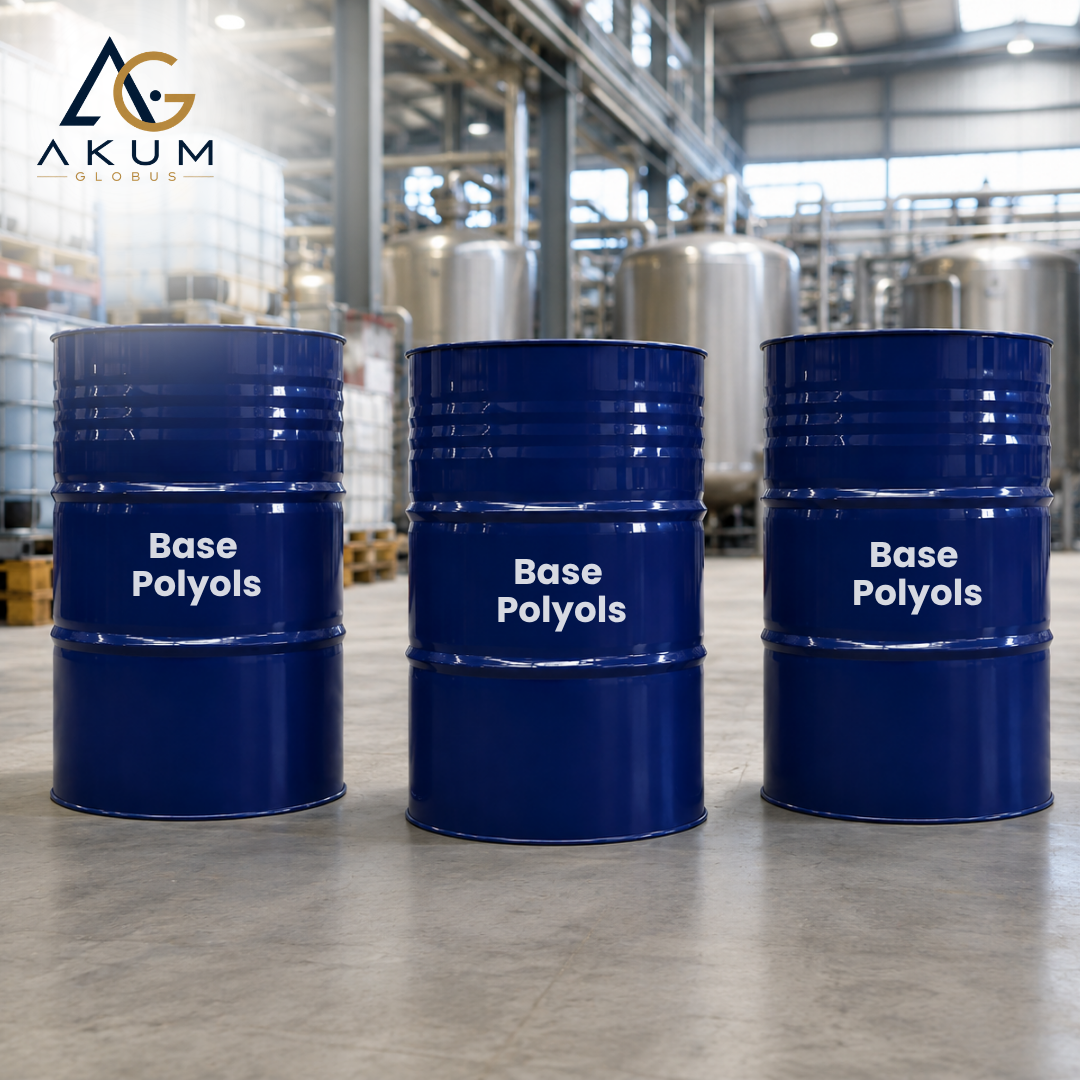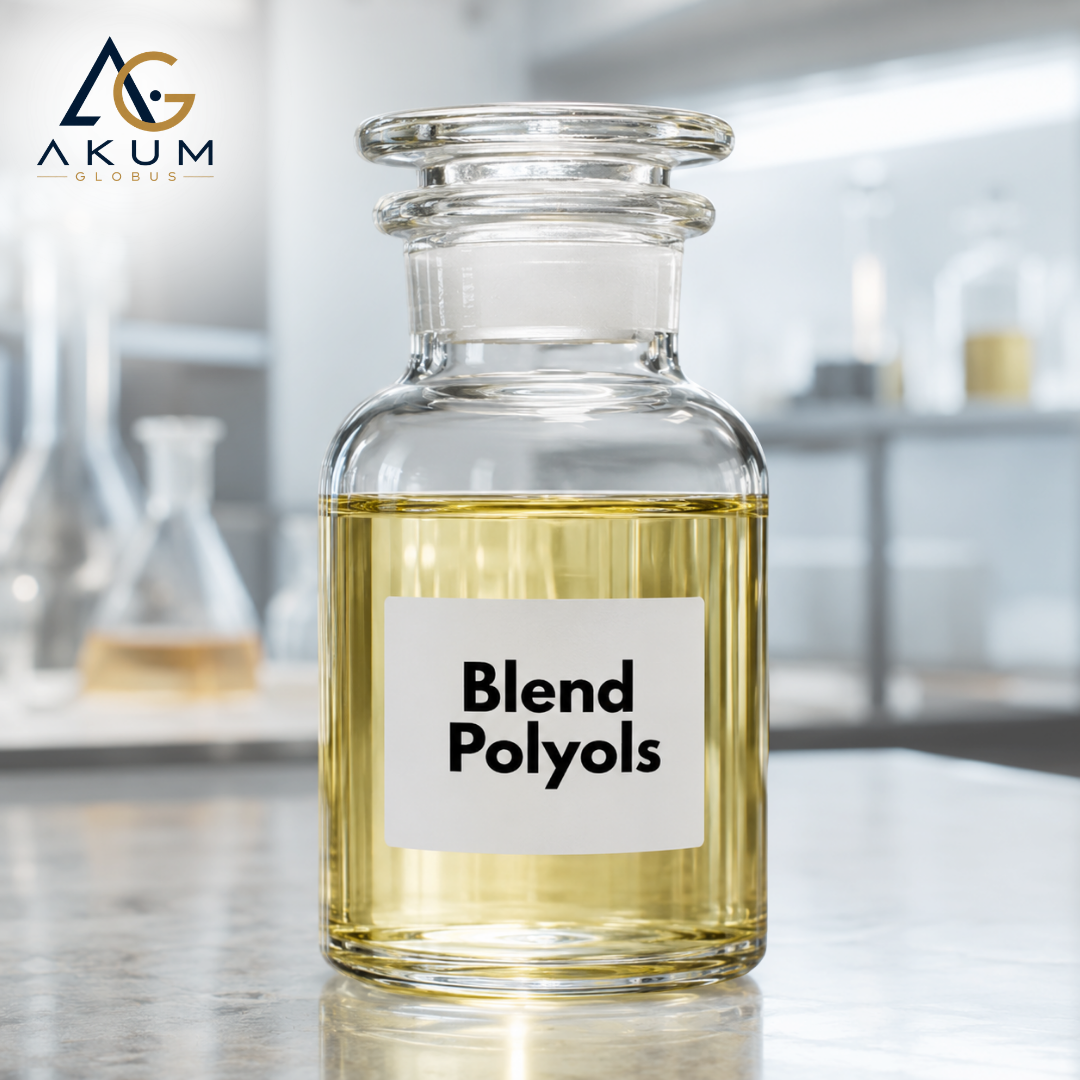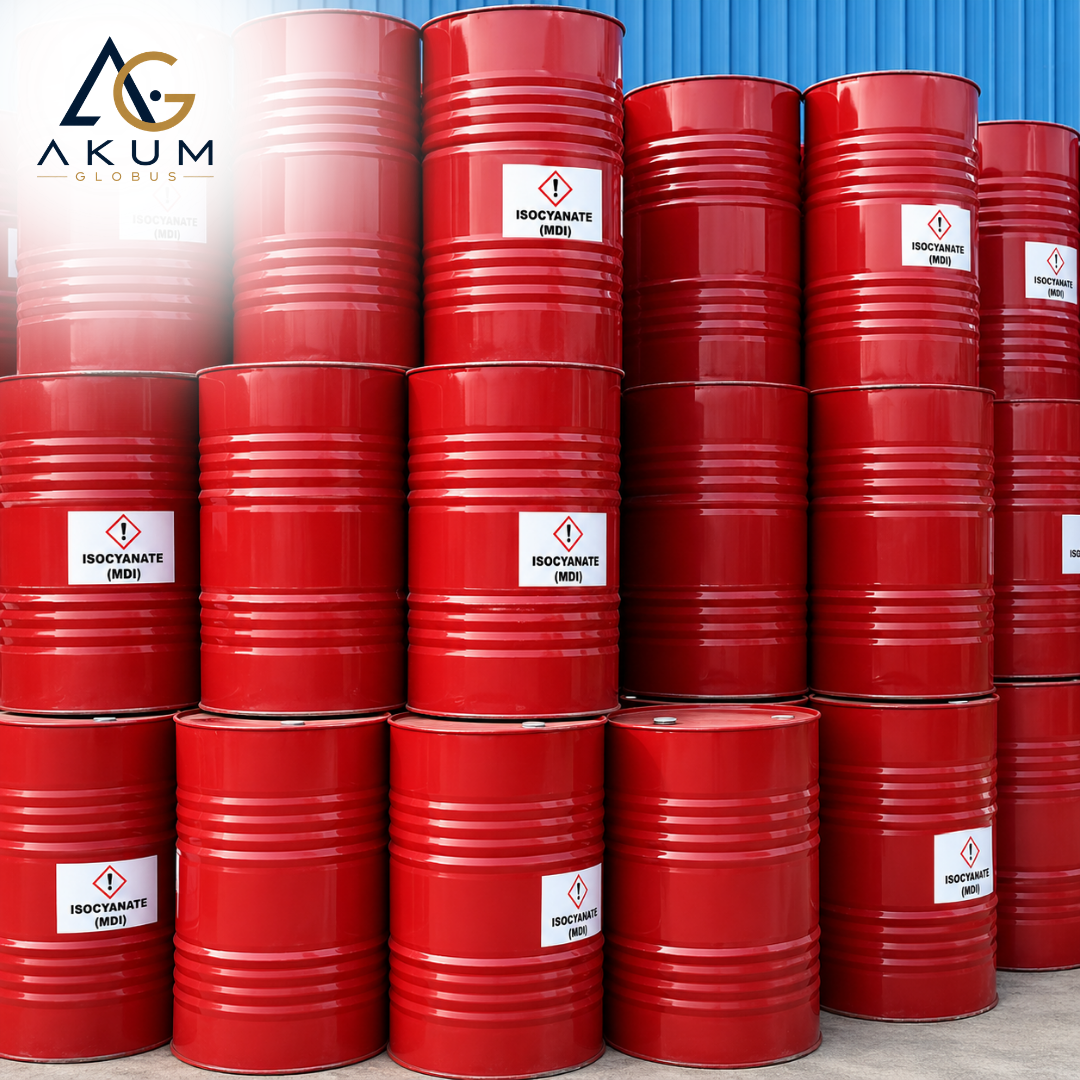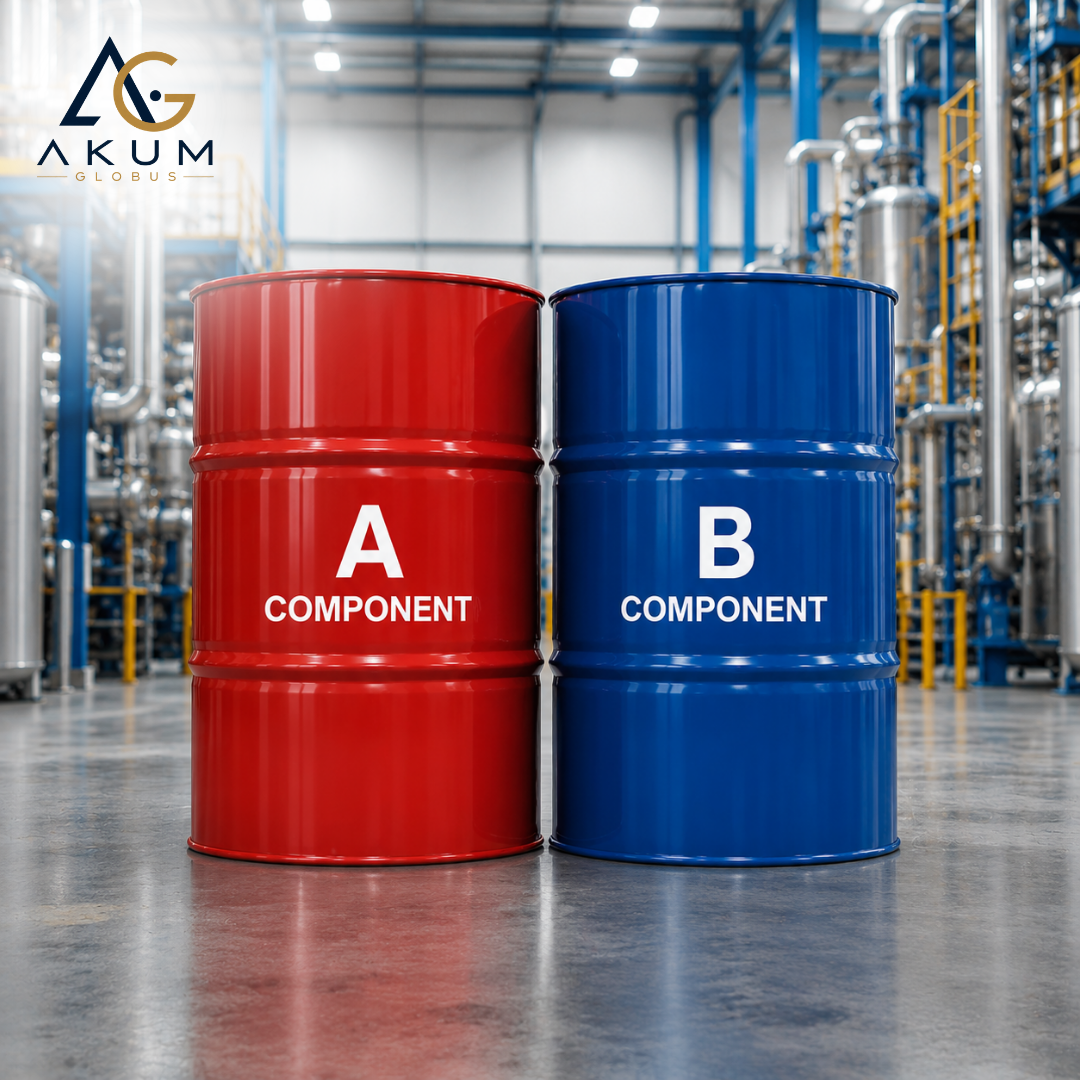
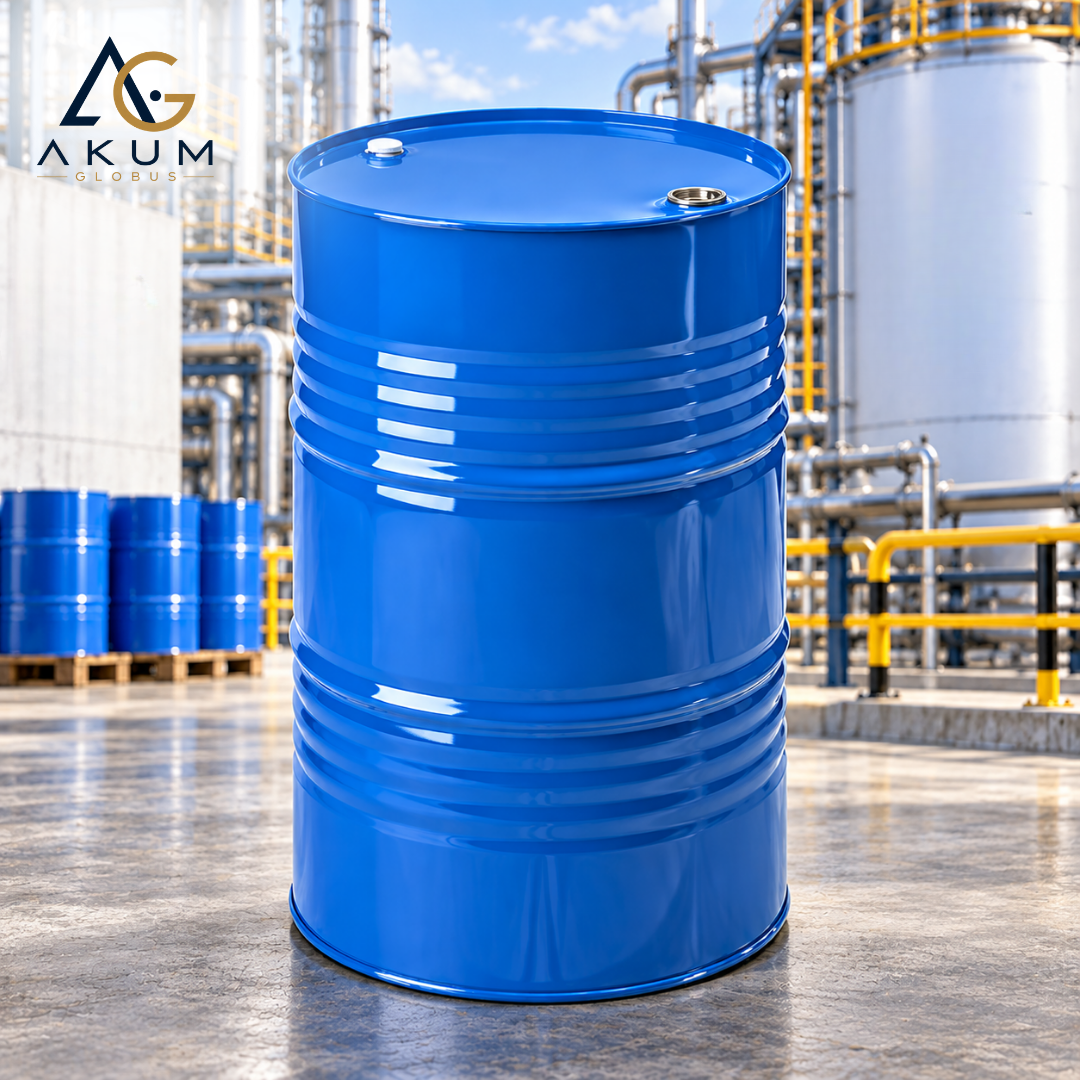
A cold box earns its keep on the hours it holds temperature, and that figure is set by a foam wall only a few millimetres thick. Insulated Container Polyol is a rigid polyether grade built for thin cavities, where the mix must fill quickly, wet every surface and finish with a fine, closed cell. Container manufacturers use it for moulded boxes, transport chests and insulated panels, and the best Insulated Container Polyol suppliers are chosen on the cell structure they can repeat.
Which polyol properties give a thin-wall ice box enough insulation without adding thickness? With so little foam to work with, the answer lies in cell size and closed-cell content rather than in density alone, because a fine cell structure reduces heat transfer per millimetre. Viscosity decides whether the mix reaches the far corner of a narrow wall before it gels. A rigid polyol for thin wall insulation is selected on those three figures, and the shot weight is set for the thinnest section of the box.
Can the polyol be supplied for small moulded containers and larger transport boxes on the same specification? One grade can cover both when the reactivity is adjusted for the shot size and the tool temperature, since a small mould fills in seconds while a transport box takes a longer pour. The specification stays the same on paper, with the cream time noted for each route. Polyol for moulded container production is quoted against both, so a plant with two product lines keeps a single approval.
An ice box is a small product with a long service life, and a wall that loses its cells in the first season cannot be corrected later. Holding the cell structure through the moulding cycle protects the temperature hold time, the box weight and the appearance of the inner liner. Manufacturers who have replaced a failed moulding run tend to stay with the top rated Insulated Container Polyol manufacturers who can repeat a fine cell, because a second tool trial costs more than the first approval did. A sample box is the practical place to start.
Every polyol programme begins with a specification that has to survive the distance between the plant and the buyer. For buyers of Polyol for insulated containers and ice boxes In Gujarat, that means fixing hydroxyl value, viscosity, moisture and reactivity before the first drum is filled, then repeating the same release checks on every batch. Buyers comparing top rated manufacturers of Polyol for insulated containers and ice boxes In Gujarat can review the COA, the technical data sheet and a retained sample together. In Gujarat, the grade they approve is the grade that reaches their store.
Scale-up is where a laboratory approval either holds or fails. Production for Polyol for insulated containers and ice boxes In Gujarat runs in repeat windows that keep reactivity, foam rise and panel performance within the same band, which lets a buyer move from a trial drum to a full pallet without reopening the formulation. Anyone shortlisting best manufacturers of Polyol for insulated containers and ice boxes In Gujarat should compare the second consignment with the first, inspect the batch record and confirm that the packing standard has not changed between releases. In Gujarat, that consistency is what makes repeat supply predictable.
Supply reliability is tested when a line is already running and the next drum is due. A supply plan for Polyol for insulated containers and ice boxes In Gujarat keeps the main grade, its packaging and its matching variants visible on one schedule, so a buyer can release a complete requirement instead of chasing parts of it. In Gujarat, that planning is the practical difference behind best suppliers of Polyol for insulated containers and ice boxes In Gujarat: the stock position, the dispatch date and the paperwork are confirmed together before the order is placed.
Requirements rarely stay fixed while an order is open. Quantities are revised, packing is changed and delivery dates move, and each revision has to be captured so the next release matches the last. A supply desk for Polyol for insulated containers and ice boxes In Gujarat that records those changes gives buyers a single update covering stock, dispatch and documents. In Gujarat, that single update is why the support of top rated suppliers of Polyol for insulated containers and ice boxes In Gujarat is judged after delivery as much as at the quotation stage.
What makes one ice box hold temperature for a day longer than another of the same size? The wall is usually the same thickness, so the difference sits in the cell structure and the way the foam was poured. The best Insulated Container Polyol suppliers and the top rated Insulated Container Polyol manufacturers are judged on that structure, and manufacturers and suppliers who can repeat it protect the rating on the box.
Fine Cells in Thin Walls : A fine, uniform cell is what makes a few millimetres of foam insulate like a thicker wall, so nucleation and mixing are controlled, and fine cell structure in thin walls is checked on a cut section.
Fast Fill for Small Moulds : A small mould closes the window for the mix to travel, so cream time is shortened and the shot is placed to reach the far corner, and fast fill for small moulds is proven on the first casting.
Closed Cells Resist Moisture : A cool box works in damp conditions, and a core that absorbs moisture loses insulation quickly, so closed-cell content is held at the top of the range, with moisture resistance of the foam core checked per batch.
Bond to Inner and Outer Shell : The foam has to grip both the liner and the casing, or the box rattles and the insulation path opens, and adhesion to container shells is confirmed by peeling a sample wall.
Density for Handling Loads : A transport box is stacked and dropped, so the core needs enough density to carry a load without adding weight that the user notices, and density for handling strength is agreed with the tool design.
A thin wall has no margin, so every figure has to be right. That is why best Insulated Container Polyol suppliers and top rated Insulated Container Polyol manufacturers are asked for a cell structure record, and why manufacturers and suppliers who can show one are trusted with the next tool.
Ice boxes, cold chain chests, liners and small refrigerated cases are produced in tools of very different sizes, and the foam must behave in all of them. Best Insulated Container Polyol suppliers match the grade to the wall thickness and the shot size, because a thin moulded wall and a large panel core do not fill alike. The uses listed below show where it is applied.
Moulded Ice Boxes : A moulded box is filled through a single port and the mix must reach the far corner before it gels, so the shot weight and cream time are set for the smallest cavity, and moulded ice box production is trialled on a full unit.
Cold Chain Transport Chests : A transport chest is larger and often stacked, so the density is raised slightly for handling and the foam is checked for bond at the lid line, with insulation for transport chests specified per size.
Insulated Liner Panels : Liner panels are laminated flat and then assembled, so the core must stay flat and closed through cutting, and laminated liner panel cores are checked for edge quality after trimming.
Small Refrigerated Cases : A compact case leaves very little room for the dispensing head, so the pour pattern is planned around the tool and the vent position, and foaming small refrigerated cases is proven before a run.
Replacement Lids and Covers : A lid carries its own insulation and has to seal against the box, so the foam is poured thin and flat and the weight is kept low, with insulated lid and cover foaming supported as a separate trial.
Each of those products is judged by the same simple test, which is how long the contents stay cold. A grade that produces a fine, closed cell in every tool protects that figure, and top rated Insulated Container Polyol manufacturers are chosen for the consistency behind it.
Why do two boxes of identical size and wall thickness hold temperature for different lengths of time? The foam inside them is not identical, even when the drawings are. The best Insulated Container Polyol suppliers control the cell structure, the top rated Insulated Container Polyol manufacturers control the batch, and manufacturers and suppliers who control both give a moulding line a predictable result.
Thin Wall Expertise : The grade is chosen for thin cavities rather than adapted from a panel formulation, so the cell structure suits a wall of a few millimetres, and insulation for thin walled boxes is the starting point.
Tool Trials Before Runs : A trial in the customer tool shows how the mix fills the corners and how the liner bonds, and the figures are recorded before a production order, with mould trials before production arranged as standard.
Consistent Cell Structure : Each batch is compared with the approved figures, because a small change in nucleation shows up as a heavier box or a shorter hold time, and batch to batch cell consistency is treated as a quality measure.
Packing for Different Volumes : Steel drums and IBC tanks are offered so a small moulder and a large transport box plant can order what they can store, and drum and IBC packing options keep the grade unchanged.
Advice on Demould and Cores : Short demould cycles tempt a moulder to release a box early, so the demould time is agreed with the tool temperature and the core design, and demould time and core advice is issued with the grade.
Thin walls leave no room for a second attempt. Best Insulated Container Polyol suppliers and top rated Insulated Container Polyol manufacturers know that, so they supply manufacturers and suppliers with a grade that repeats its cell structure from the first box to the thousandth.
A trial begins with the box size, the wall thickness, the tool design and the volume required, which can be sent to [email protected] for a grade recommendation with trial and packing options. Akum Globus Pvt. Ltd. confirms the specification, the packing and the dispatch schedule in writing, so the trial box and the production run are approved on one sheet.
Explore our range of polyurethane chemicals and specialty solutions developed to support efficient processing, formulation flexibility, consistent quality, and reliable industrial performance.
Copyright © 2026 Akum Globus Pvt. Ltd.. All Rights Reserved. Designed By HD Smart Media